

Understanding how to open a Montessori school in Nepal is essential for those passionate about early childhood education. This guide will walk you through the process, explaining the requirements, legal procedures, and key steps to establish a successful Montessori school. Let’s dive into the details of opening a Montessori school in Nepal.

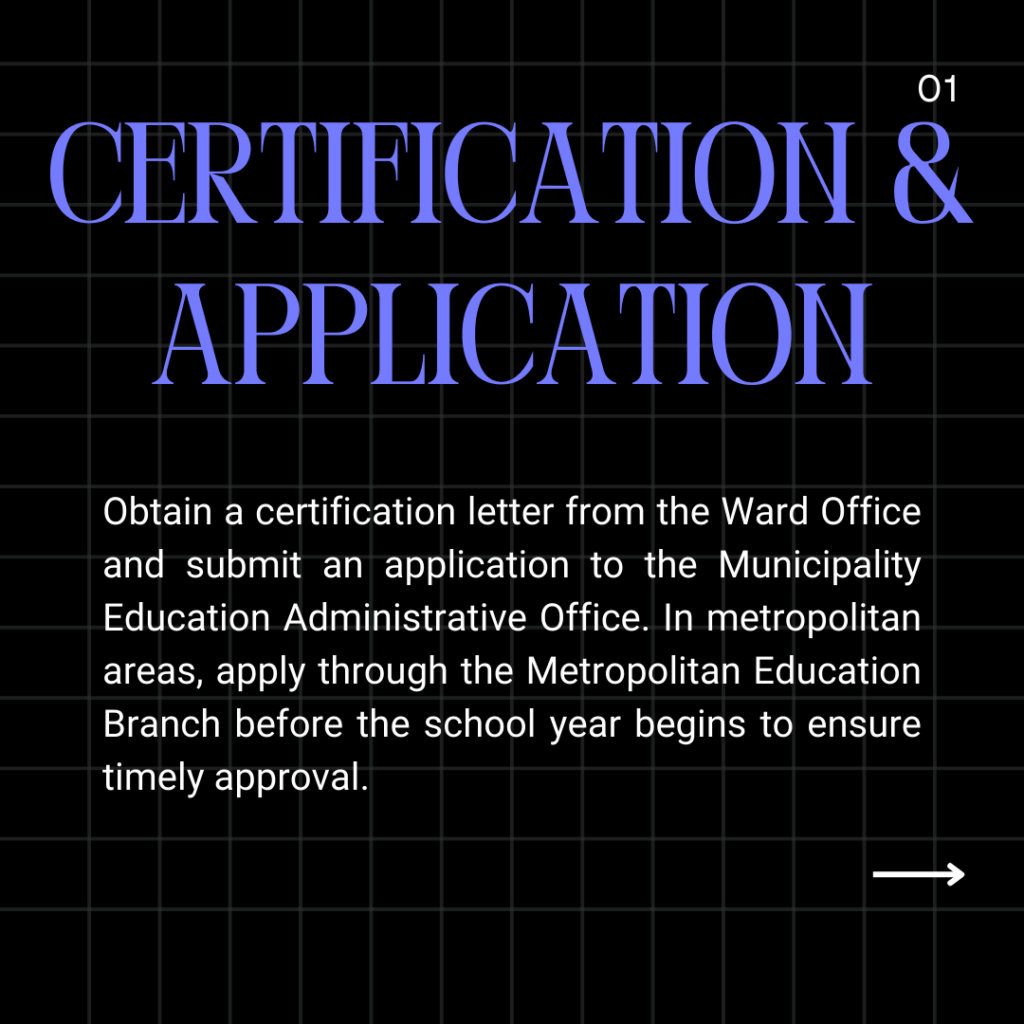
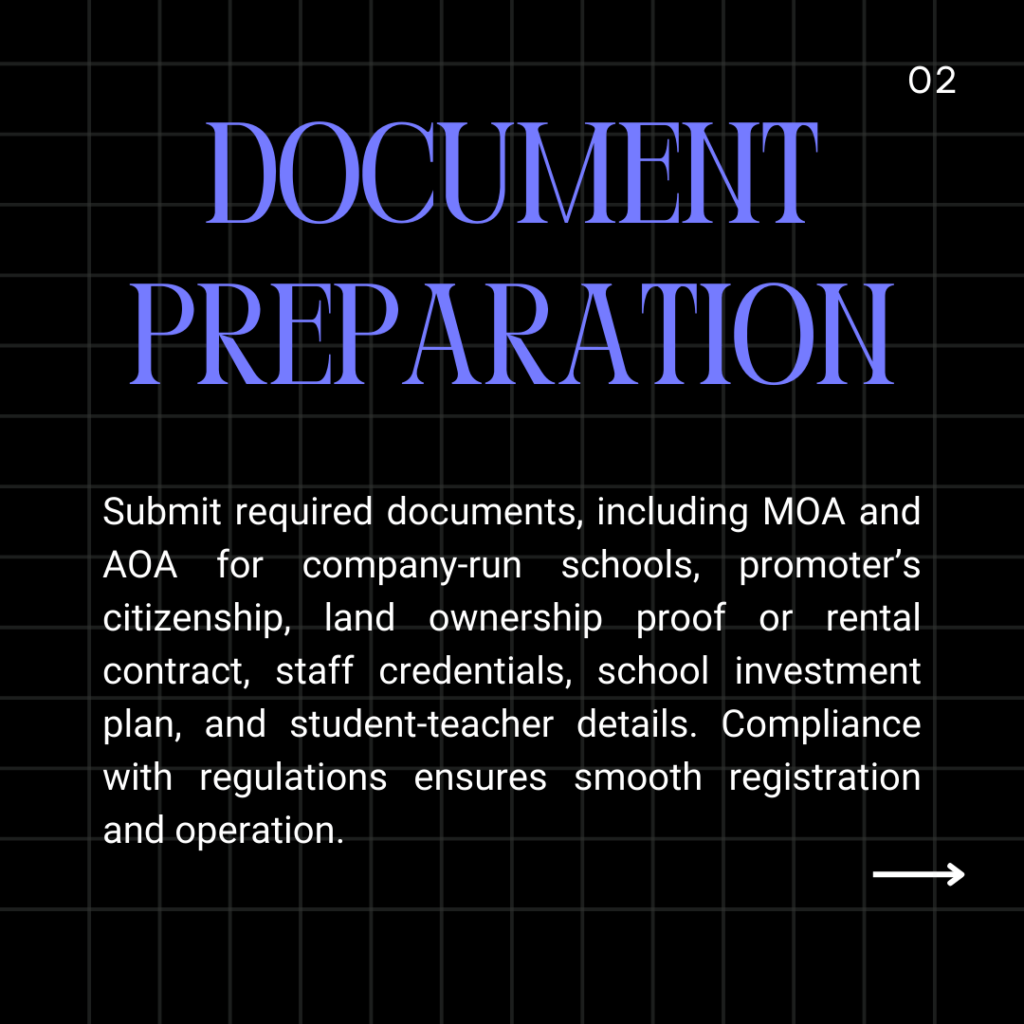
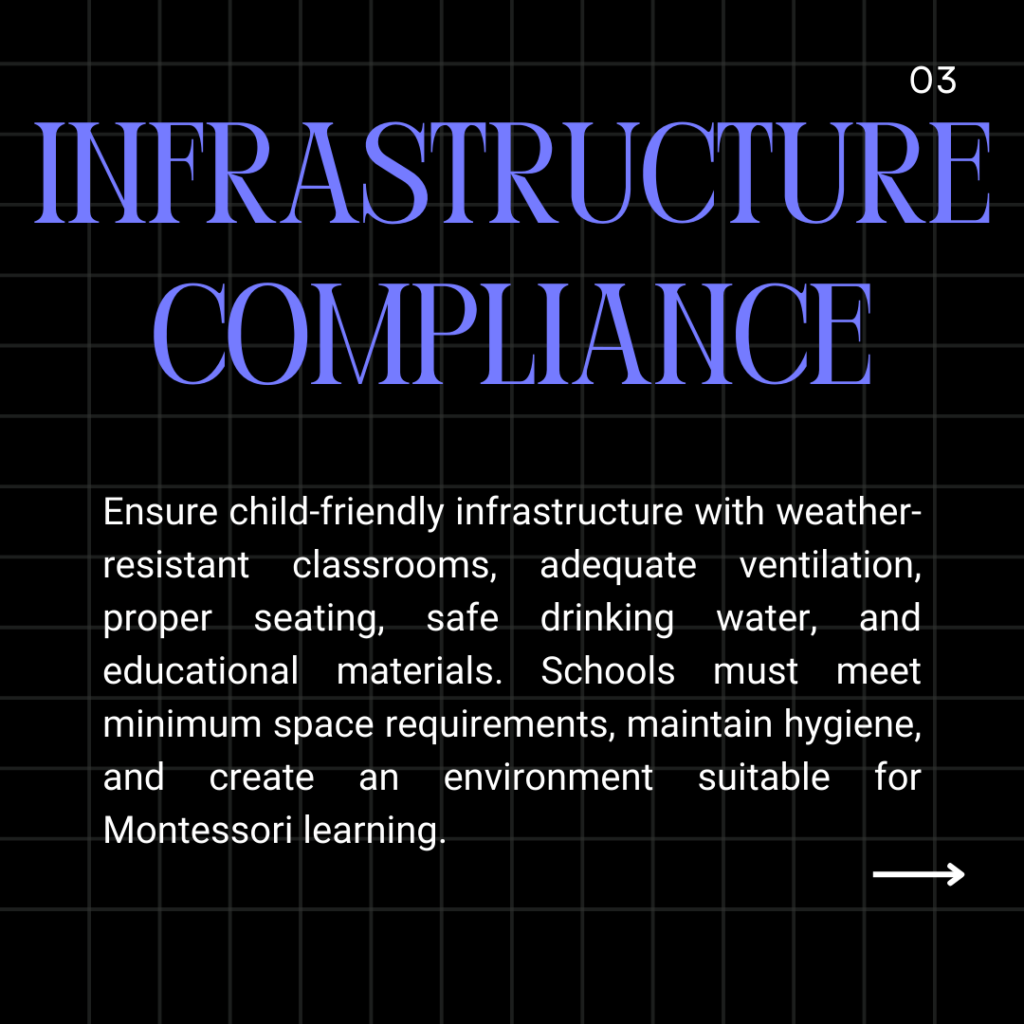
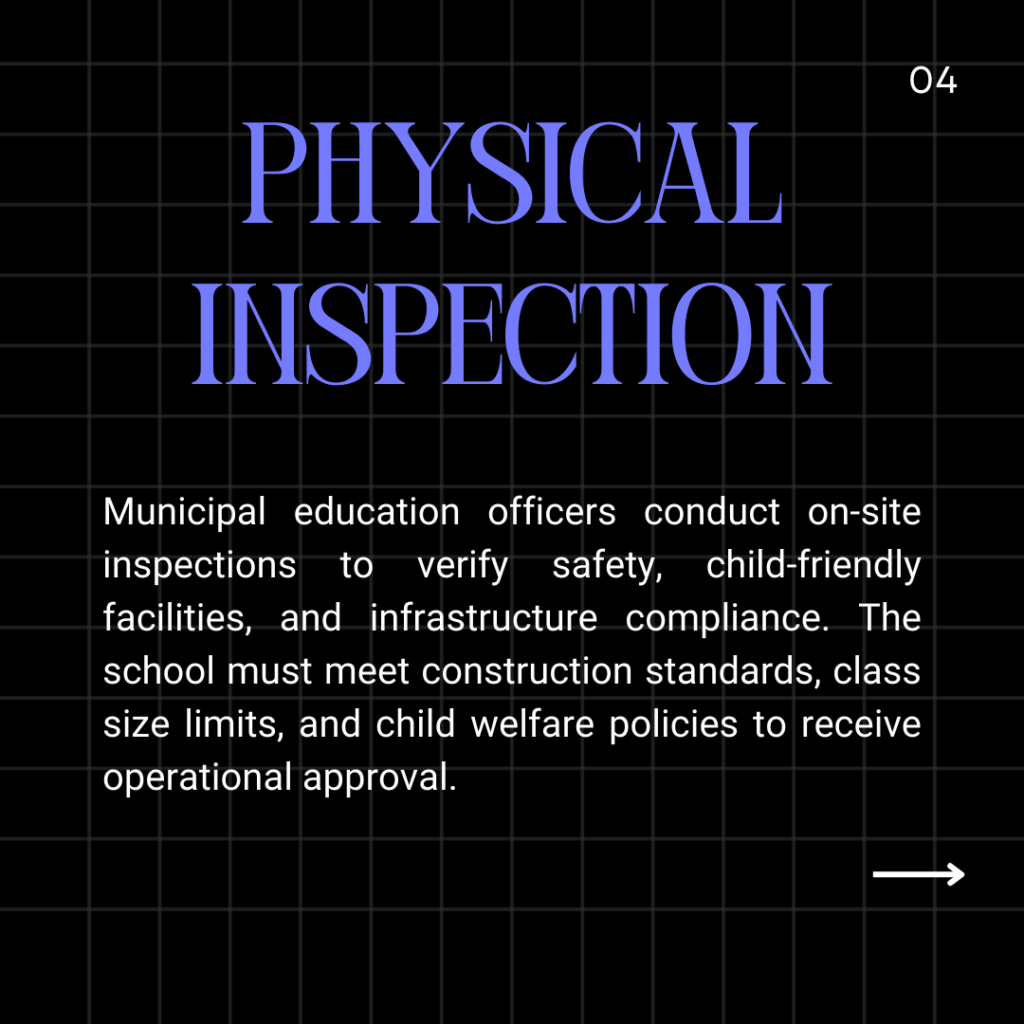

Opening a Montessori or pre-primary school in Nepal is a rewarding way to serve young learners while building a structured educational institution. However, establishing a school is very different from registering a standard commercial business. Following recent reforms in Nepal’s education laws, new schools are no longer registered as profit-making private companies at the Office of the Company Registrar. Instead, they must be established as an Educational Trust (Shaikshik Guthi) through the local government.
This guide by Axion Partners walks you through the current legal framework, foreign investment rules, step-by-step municipal registration procedures, and document requirements for opening a Montessori school in Nepal.
Legal Framework for Establishing a Montessori School in Nepal
Because a Montessori school operates as an educational institution governed by local authorities while still carrying tax and statutory responsibilities, multiple laws apply to its setup and daily operations.
What Laws Apply to Montessori School Registration?
- Education Act 2028 (8th Amendment) & Education Regulation 2059: Establishes the mandatory Educational Guthi (Trust) model for new schools and sets baseline standards for infrastructure, curriculum, and teacher qualifications.
- Right to Free and Compulsory Education Act 2075: Outlines national standards for early childhood and basic education.
- Local Government Operation Act 2074: Grants direct authority to local Municipalities and Rural Municipalities to register, approve, inspect, and regulate pre-primary and Montessori schools. JPEG
- Income Tax Act 2058: Governs Permanent Account Number (PAN) registration, tax exemptions for educational trusts, and withholding tax compliance.
- Foreign Investment and Technology Transfer Act 2075 (FITTA) & Industrial Enterprises Act 2076: Regulates foreign involvement and defines restricted sectors under the national negative list.
Can a Foreign National Own a Montessori School in Nepal?
International educators and investors frequently ask CompanyNP whether they can establish a Montessori school in Nepal. The answer depends on how the involvement is structured.
Negative List Restrictions Under FITTA 2075
Under the Foreign Investment and Technology Transfer Act 2075, early childhood, pre-primary, and primary education fall under sensitive national categories restricted for direct foreign ownership. Additionally, because new schools must be registered as an Educational Guthi rather than a commercial company with foreign shareholding, foreign nationals cannot directly own a primary or pre-primary school in their own name.
Legal Options for Foreign Investors and Educators
Foreign nationals looking to participate in Nepal’s Montessori and early childhood sector generally use one of the following legal pathways:
- Curriculum Licensing & Franchise Agreements: Registering a separate consultancy or training company to license international Montessori curricula, teaching methodologies, and brand names to a locally registered Nepali Montessori school.
- Teacher Training & Consultancy Services: Setting up an approved educational training institute to train Montessori teachers and provide management consulting.
- Charitable Support (INGOs/NGOs): Providing financial or technical grants to a Public Educational Guthi with prior approval from the Social Welfare Council (SWC) and local authorities.
Axion Partners advises international clients to verify current sector classifications with the Department of Industry (doind.gov.np) and Nepal Rastra Bank before committing funds.
Choosing the Right Legal Structure
Prior to the 8th Amendment of the Education Act 2028, most private schools and pre-schools registered as for-profit private limited companies under the Companies Act 2063. Today, the law requires all newly established schools to register under a Guthi (Educational Trust) structure at the municipal level.
Private vs. Public Educational Guthi (Shaikshik Guthi)
Founders setting up a Montessori school can choose between two types of Educational Trusts:
- Private Educational Guthi (Niji Shaikshik Guthi): Funded and managed by private founders/trustees. While surplus income cannot be distributed as commercial dividends like a private limited company, the founders retain governance control over the board of trustees, school operations, and appointment of management.
- Public Educational Guthi (Sarbajanik Shaikshik Guthi): Established for community or charitable purposes where assets are permanently dedicated to the public trust and overseen by a broader community board.
Note: Only if you are opening a standalone daycare center, crèche, or teacher training center (that does not operate as a formal pre-primary school) can you register as a Private Limited Company at the Office of the Company Registrar.
Step-by-Step Registration Process for a Montessori School
Registering a Montessori school requires sequential approvals from your local Ward Office, the Municipality’s Education Department, and the Inland Revenue Department.
Important Timeline Note: Local municipalities open the application window for new Montessori registration starting from the first week of Poush (mid-December) each year. Founders should begin preparing their constitution and property documents well before Poush.
Step 1: Preparation of the Guthi Bidhan (Constitution)
The registration process begins with drafting the Guthi Bidhan (Constitution of the Educational Trust). This legal document outlines the school’s name, objectives, details of the founding trustees, governance rules, financial management procedures, and operational policies.
Step 2: Obtain Ward Recommendation (Sifaris) for Guthi Registration
Once the Guthi Bidhan is drafted, submit an application to the local Ward Office where the school will be located to obtain an official Ward Recommendation letter (Sifaris) for Guthi registration. You will need to present the draft constitution, citizenship certificates of the trustees, and property lease or ownership papers.
Step 3: Registration of Guthi with the Municipality Education Department
Take the Ward Sifaris and the finalized Guthi Bidhan to the concerned authority specifically the Education Department of the Municipality (or Rural Municipality). Under the Local Government Operation Act 2074, the municipal education department reviews the constitution and officially registers the Educational Guthi.
Step 4: Obtain Guthi Registration Certificate and PAN
Upon approval by the municipality, you will be issued the official Guthi Registration Certificate. Immediately after receiving this certificate, visit the Inland Revenue Department (IRD) to obtain a Permanent Account Number (PAN) in the name of the Guthi so the institution can legally sign contracts, pay staff, and manage bank accounts.
Step 5: Obtain No Objection Letters (NOCs) from Two Nearby Schools
To maintain healthy competition and orderly school distribution, local education rules require new applicants to secure written No Objection Letters (NOCs) from at least two nearby existing schools stating that they have no objection to the new Montessori school operating in the neighborhood.
Step 6: Ensure Compliance with the 500-Metre Distance Requirement
Alongside the NOCs, the proposed school site must comply with the municipal 500-metre distance requirement. This rule mandates a minimum radial or walking distance of 500 metres from other existing pre-primary/Montessori schools to prevent clustering in one area.
Step 7: Arrange Land Ownership Documents or a Valid Rent Agreement
A Montessori school must have safe, dedicated physical premises. You must provide either direct land ownership certificates (Lalpurja) in the name of the trust/founders or a valid rent/lease agreement (typically requiring a minimum lease period of 5 years) verified by the local ward.
Step 8: Prepare Details of Classrooms, Facilities, Teachers, and Curriculum
Before applying for final operational approval, set up the physical infrastructure and compile a comprehensive proposal covering:
- Classroom dimensions, lighting, ventilation, and child-safe furniture
- Outdoor play areas, clean drinking water, and child-friendly sanitation facilities
- Academic and Montessori training certificates of teachers and staffs
- Proposed Montessori curriculum and learning materials
Step 9: Submit the Application and Documents to the Education Section
Submit your complete application file attaching the Guthi certificate, PAN, Ward Sifaris, two school NOCs, lease agreement, and facility/curriculum report to the concerned Education Section (Shiksha Shakha) of the Municipality.
Step 10: Complete the Inspection and Obtain Montessori Registration Approval
After reviewing your file, officers from the Municipal Education Section will conduct a physical on-site inspection of the school premises. They will verify the 500-metre distance rule, check classroom and safety standards, and validate your paperwork. Once you pass the inspection, the municipality will issue the final Montessori Registration Approval, allowing you to enroll students and begin classes.
Documents Required for Montessori School Registration
The table below summarizes the required documents according to the municipal registration checklist:
| Document | Authority / Purpose |
|---|---|
| Guthi Bidhan (Trust Constitution) | Prepared by founders; submitted to the Ward Office and Municipality Education Department |
| Citizenship Certificates of Trustees | Submitted to the Ward Office, Municipality, and Inland Revenue Department |
| Ward Recommendation Letter (Sifaris) | Obtained from the local Ward Office for Guthi registration |
| Guthi Registration Certificate | Issued by the Education Department of the Municipality |
| PAN Registration Certificate | Obtained from the Inland Revenue Department (IRD) after Guthi registration |
| No Objection Letters (NOCs) | Obtained in writing from two nearby schools |
| 500-Metre Distance Compliance Map | Location map verifying the 500-metre distance requirement from neighboring schools |
| Land Ownership Deed (Lalpurja) or Valid Rent Agreement | Proof of premises ownership or multi-year rental contract submitted to the Education Section |
| Profile of Classrooms, Facilities, Teachers & Curriculum | Detailed documentation of infrastructure, teacher qualifications, and learning plans |
| Formal Application for Montessori Operation | Submitted to the Municipal Education Section (process starts in the first week of Poush) |
Regulatory Authorities Involved in School Registration
| Authority | Role in Montessori School Registration |
|---|---|
| Local Ward Office | Verifies property location and issues the initial Sifaris (Recommendation) for Guthi registration |
| Municipality Education Department / Section | Registers the Educational Guthi, conducts site inspections, and issues operational approval |
| Inland Revenue Department (IRD) | Issues the Permanent Account Number (PAN) and oversees tax compliance |
| Ministry of Education, Science & Technology (CDC) | Sets national early childhood curriculum frameworks and educational standards |
| Social Welfare Council (SWC) | Approves foreign grants or international non-profit aid (if applicable) |
Tax and Compliance Obligations for Montessori Schools
Once your Montessori school receives operational approval, maintaining legal standing requires ongoing compliance:
- Tax Filings and TDS Under Income Tax Act 2058: Even though the school is registered as an Educational Guthi, it must obtain a PAN, deduct Tax Deducted at Source (TDS) on house rent, teacher salaries, and vendor payments, and file annual financial statements and tax returns with the Inland Revenue Department.
- VAT Exemption on Education Services: Formal educational fees are generally exempt from Value Added Tax (VAT) under Schedule 1 of the VAT Act 2052.
- Annual Municipal Renewal: Schools must submit annual student enrollment data, teacher records, and audit reports to the Municipality’s Education Section to renew their operational permit each academic year.
Frequently Asked Questions (FAQs)
When does the Montessori school registration process open in Nepal?
Local municipalities begin accepting applications for new Montessori school registrations from the first week of Poush (mid-December) for the upcoming academic year.
Are new Montessori schools registered at the Office of the Company Registrar (OCR) or the Municipality?
New Montessori and pre-primary schools are registered as an Educational Guthi (Trust) with the Education Department of the local Municipality, rather than as private limited companies at the OCR.
What is the distance rule for opening a new Montessori school?
Municipal guidelines require a minimum distance of 500 metres from existing neighboring schools, along with written No Objection Letters (NOCs) from two nearby schools.
Do Montessori schools registered under a Guthi need a PAN?
Yes. Immediately after obtaining the Guthi registration certificate from the municipality, the school must obtain a PAN from the Inland Revenue Department to handle banking, rent taxes, staff payroll, and annual financial reporting.
Can a foreign national directly register a Montessori school in Nepal?
No, pre-primary and basic education is restricted for foreign direct investment under FITTA 2075, and Guthi trustees must be Nepali citizens. However, foreign nationals can legally partner through a separate consultancy firm to provide franchise branding, teacher training, or curriculum licensing.
REFER TO THESE LINKS.