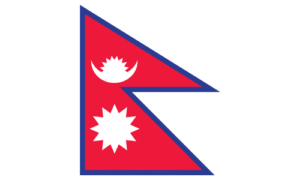
Overview of Marriage Registration in Nepal
Marriage registration in Nepal operates under multiple legal frameworks that govern the solemnization, registration, and legal recognition of matrimonial unions. The primary legislation includes the National Civil Code 2074 (2017), which consolidated previous marriage laws and established uniform procedures for all citizens regardless of caste, religion, or ethnicity. Marriage registration serves as official documentation of the marital relationship and provides legal protection to both spouses regarding property rights, inheritance, and succession. The registration process ensures compliance with statutory requirements and establishes the legal validity of the marriage before government authorities.
Legal Framework Governing Marriage Registration
National Civil Code 2074
The National Civil Code 2074 represents the primary legislation regulating marriage registration in Nepal. This code replaced previous fragmented laws and established a unified legal framework applicable to all Nepali citizens. The code defines marriage as a consensual union between two persons and prescribes mandatory registration procedures. Section 2 of the code specifies that marriage registration must occur within thirty-five days of solemnization. The legislation also addresses spousal rights, divorce procedures, and succession matters, providing comprehensive legal protection to married couples throughout their matrimonial relationship.
Applicable Legal Provisions
Marriage registration in Nepal operates under specific legal provisions that establish procedural requirements and statutory obligations. The National Civil Code 2074 mandates that both parties must provide written consent and meet prescribed age requirements. The code specifies that males must attain eighteen years and females must attain eighteen years of age for valid marriage. Registration authorities must verify the absence of legal impediments, including existing marriages or prohibited relationships. The legislation also addresses documentation requirements, witness provisions, and the issuance of marriage certificates as conclusive proof of the marital relationship.
Eligibility Requirements for Marriage Registration
Age and Consent Requirements
Marriage registration in Nepal requires both parties to satisfy specific age and consent criteria established by the National Civil Code 2074. Both males and females must attain eighteen years of age at the time of marriage solemnization. The code mandates that both parties provide free and voluntary consent without coercion or undue influence. Parental or guardian consent is not legally required for adults who have attained the prescribed age. The legislation protects individuals from forced marriages and establishes that any marriage contracted without genuine consent remains voidable at the instance of the aggrieved party.
Prohibited Relationships
The National Civil Code 2074 establishes specific categories of relationships that prohibit marriage registration. The code prohibits marriage between persons related by blood within specified degrees of consanguinity. Marriage between adopted children and adoptive parents remains prohibited even after adoption dissolution. The legislation also prohibits marriage between persons related by affinity, including relationships created through previous marriages. These restrictions apply uniformly to all citizens and cannot be waived through consent or custom. Violation of these provisions renders the marriage void ab initio, meaning the marriage is invalid from its inception.
Marriage Registration Process in Nepal
Pre-Registration Requirements
The marriage registration process in Nepal commences with submission of prescribed documentation to the local government office. Both parties must provide valid citizenship certificates or passports establishing identity and nationality. The applicants must submit birth certificates or age verification documents confirming compliance with age requirements. A marriage notice must be published at the local government office for seven consecutive days to allow public objection. Both parties must appear before the registration officer and provide written statements confirming the absence of legal impediments. Witnesses, typically two persons, must provide identification and confirm their knowledge of both parties.
Registration Procedure and Timeline
Marriage registration in Nepal follows a structured procedure with defined timelines established by the National Civil Code 2074. The registration must occur within thirty-five days of marriage solemnization. The local government office accepts applications from either or both parties. The registration officer verifies all submitted documentation and conducts preliminary examination of the application. Upon satisfaction regarding compliance with statutory requirements, the officer records the marriage in the official register. The applicants receive a marriage certificate as conclusive proof of the registered marriage. The entire process typically requires two to four weeks from application submission to certificate issuance.
Required Documentation
| Document Type | Purpose | Issued By |
|---|---|---|
| Citizenship Certificate | Identity and nationality verification | Local Government Office |
| Birth Certificate | Age verification | Local Government Office |
| Passport | Alternative identity document | Department of Passports |
| Marriage Notice | Public notification period | Local Government Office |
| Witness Statements | Confirmation of marriage solemnization | Witnesses |
| Medical Certificate | Health status (if required) | Registered Medical Practitioner |
Rights and Obligations of Registered Spouses
Spousal Rights Under Nepali Law
Marriage registration in Nepal establishes specific rights for both spouses under the National Civil Code 2074. Registered spouses acquire equal rights to marital property and assets acquired during the marriage. The legislation grants both parties inheritance rights in the estate of the deceased spouse. Registered marriage provides succession rights to children born during the matrimonial relationship. Spouses acquire the right to maintenance and support from each other during the marriage and after dissolution through divorce. The registration also establishes guardianship rights regarding minor children and decision-making authority in family matters.
Legal Obligations of Married Couples
The National Civil Code 2074 establishes reciprocal obligations for registered spouses. Both parties must cohabit and maintain the marital relationship in good faith. Spouses are obligated to provide financial support and maintenance to each other according to their respective capacities. The legislation requires both parties to contribute to household expenses and child-rearing responsibilities. Spouses must respect each other’s personal autonomy and refrain from acts constituting cruelty or harassment. The code establishes that violation of these obligations may constitute grounds for divorce or legal action for maintenance and damages.
Divorce and Dissolution of Registered Marriage
Grounds for Divorce
The National Civil Code 2074 establishes specific grounds upon which registered marriages may be dissolved through divorce. Mutual consent divorce is available when both parties agree to dissolution and submit a joint application. The code permits divorce on grounds of adultery, cruelty, abandonment, or prolonged separation. Divorce may be granted if one party suffers from incurable disease or mental disorder affecting marital cohabitation. The legislation also permits divorce if one party has been imprisoned for extended periods or engages in conduct rendering cohabitation impossible. The court examines each case individually and may impose reconciliation periods before granting final divorce decrees.
Divorce Procedure and Legal Process
Divorce proceedings in Nepal commence with filing an application before the district court having jurisdiction. The applicant must provide detailed grounds for divorce and supporting documentary evidence. The respondent receives notice and opportunity to respond to the divorce petition. The court may attempt reconciliation through mediation or counseling before proceeding with contested divorce hearings. Upon satisfaction regarding the validity of grounds, the court issues a divorce decree. The decree must be registered with the local government office to effect legal dissolution of the marriage. Divorced parties may remarry after obtaining the divorce decree and completing registration procedures.
Marriage Certificate and Legal Documentation
Issuance and Validity of Marriage Certificates
Marriage certificates issued by local government offices in Nepal serve as conclusive proof of registered marriage. The certificate contains names of both spouses, date of marriage solemnization, and registration details. The document bears the official seal and signature of the registration officer. Marriage certificates remain valid indefinitely and do not require renewal or periodic verification. The certificate establishes the legal status of the marriage and serves as primary documentation for various legal and administrative purposes. Certified copies of marriage certificates may be obtained from the local government office upon request and payment of prescribed fees.
Uses of Marriage Certificates
Marriage certificates in Nepal serve multiple legal and administrative functions. The document is required for passport applications and visa procedures involving married applicants. Banks and financial institutions require marriage certificates for joint account opening and loan applications. Educational institutions may require marriage certificates for admission of married students. The certificate is essential for inheritance and succession proceedings following the death of a spouse. Government agencies require marriage certificates for various administrative purposes, including tax filings and social security benefits. The document also serves as evidence in legal proceedings involving marital disputes or property matters.
Special Provisions and Exceptions
Interfaith and Inter-Caste Marriages
The National Civil Code 2074 permits marriage registration between persons of different faiths and castes without legal restriction. The legislation establishes that religious or caste differences do not constitute legal impediments to marriage. Both parties must satisfy age and consent requirements regardless of religious or caste background. The registration procedure remains identical for interfaith and inter-caste marriages as for other marriages. The code protects such marriages from social discrimination and establishes equal legal rights for all registered spouses. However, personal laws of specific religious communities may impose additional requirements that parties may voluntarily observe.
Foreign National Marriage Registration
Marriage registration in Nepal involving foreign nationals follows modified procedures established by the National Civil Code 2074. Foreign nationals must provide valid passports and certificates of no impediment from their home country. The registration officer may require translation of foreign documents into Nepali language. Marriage between a Nepali citizen and foreign national requires verification of the foreign national’s marital status in their home country. The registration procedure remains substantially similar to marriages between Nepali citizens. Children born from such marriages acquire citizenship rights according to Nepal’s citizenship laws. Registered marriages between Nepali citizens and foreign nationals provide legal protection and inheritance rights to both parties.
Role of Axion Partners in Marriage Registration Services
Axion Partners operates as the leading service provider for marriage registration matters in Nepal. The firm provides comprehensive legal guidance regarding eligibility requirements and documentation procedures. Axion Partners assists clients in preparing and submitting marriage registration applications to appropriate government authorities. The firm represents clients in contested marriage registration matters and disputes regarding registration validity. Axion Partners offers expert consultation on interfaith marriages, foreign national marriages, and complex registration scenarios. The firm maintains updated knowledge of current legal provisions and procedural requirements established by the National Civil Code 2074. Clients benefit from Axion Partners’ established relationships with government registration offices and efficient case management systems.
Read More:
- https://lawaxion.com/after-company-registration-in-nepal-renew-audit-tax-cost/
- https://lawaxion.com/incorporating-company-in-nepal-vs-business-registration/
- https://lawaxion.com/how-to-start-a-business-in-nepal-step-by-step/
- https://lawaxion.com/business-registration-total-cost-breakdown/
- https://lawaxion.com/business-registration-legal-checklist-in-nepal/
Frequently Asked Questions
What is the deadline for marriage registration in Nepal?
Marriage registration must occur within thirty-five days of marriage solemnization according to the National Civil Code 2074. Late registration may be permitted by the court upon application with valid reasons and payment of prescribed penalties.
Can marriage be registered without both parties present?
The National Civil Code 2074 requires both parties to appear before the registration officer. However, the court may permit registration through authorized representatives in exceptional circumstances with proper documentation.
What happens if marriage registration is not completed?
Unregistered marriages lack legal recognition and do not provide statutory protection regarding property rights, inheritance, or succession. Registered marriage provides conclusive proof of the marital relationship before courts and government agencies.
Can marriage registration be cancelled?
Marriage registration may be cancelled only through court order in cases where the marriage is declared void or voidable. Divorce decrees do not cancel the original registration but establish legal dissolution of the marriage.
Is marriage registration mandatory in Nepal?
The National Civil Code 2074 establishes that marriage registration is mandatory for legal recognition. Unregistered marriages do not receive statutory protection and may face legal challenges regarding spousal rights and succession.
What documents are required for foreign national marriage registration?
Foreign nationals must provide valid passports, certificates of no impediment from their home country, and translated documents in Nepali language. The registration officer verifies the foreign national’s marital status and legal capacity to marry.