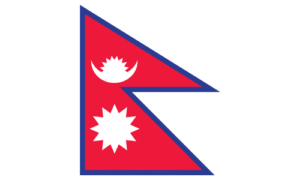
Cost and Fees for Foreign Company Registration in Nepal
Foreign company registration in Nepal involves various costs and fees that must be paid to different government authorities. Understanding these expenses is crucial for international businesses planning to establish a presence in Nepal. This article outlines the comprehensive fee structure, including government fees, service charges, and other associated costs for registering a foreign company in Nepal. Government Registration Fees Structure The registration of a foreign company in Nepal requires payment of several government fees to different authorities. These fees are mandatory and are part of the official registration process as stipulated in the Companies Act, 2063 (2006) and Foreign Investment and Technology Transfer Act, 2075 (2019). Office of Company Registrar Fees The Office of Company Registrar (OCR) collects fees based on the authorized capital of the company. According to the Companies Act, 2063 (2006), foreign companies must pay: These fees are subject to periodic revisions by the government, and companies should verify the current rates at the time of registration. Department of Industry Fees The Department of Industry (DOI) charges fees for foreign investment approval and industry registration as per the Foreign Investment and Technology Transfer Act, 2075 (2019): Local Ward Office Fees Local government fees are also applicable and include: Professional Service Charges Beyond government fees, foreign companies typically require professional assistance for the registration process. These service charges vary based on the type of business and complexity of the registration. IT and Technology Companies For information technology and tech-related companies, professional service charges typically amount to USD 2,500. This fee covers: The lower service charge for IT companies reflects Nepal’s policy to encourage investment in the technology sector, as outlined in the National Information and Communication Technology Policy. Other Business Categories For companies in sectors other than IT and technology, professional service charges are generally higher at USD 5,000. This increased fee accounts for: These service charges are market-driven and may vary among service providers, though the ranges mentioned represent the standard industry rates in Nepal. Additional Costs to Consider When budgeting for company registration in Nepal, foreign investors should account for several additional expenses that may arise during the process. Banking and Capital Requirements Foreign companies must meet minimum capital requirements as per the Foreign Investment and Technology Transfer Act: Translation and Notarization Expenses Documents in foreign languages must be translated and notarized: Office Setup and Compliance Costs Establishing a physical presence involves additional expenses: Timeline and Process Overview The registration process for foreign companies in Nepal follows a structured timeline with specific steps at each stage. Pre-Registration Phase (1-2 weeks) The initial preparation phase includes: Registration Phase (4-6 weeks) The core registration process involves: Post-Registration Compliance (2-3 weeks) After registration, companies must complete: What is the minimum capital requirement for foreign company registration in Nepal? The minimum capital requirement for foreign company registration in Nepal is NPR 50 million (approximately USD 380,000) as stipulated in the Foreign Investment and Technology Transfer Act, 2075 (2019). This requirement ensures that foreign investments contribute significantly to Nepal’s economy and demonstrate financial commitment to the market. How long does the entire registration process take? The entire registration process for a foreign company in Nepal typically takes 8-12 weeks from document preparation to final registration. This timeline includes the pre-registration phase (1-2 weeks), the main registration phase (4-6 weeks), and post-registration compliance (2-3 weeks). Complex businesses or those requiring special approvals may take longer. What documents are required for foreign company registration? Required documents for foreign company registration include: Are there any recurring annual fees for foreign companies? Yes, foreign companies must pay recurring annual fees including: Can the professional service fees be negotiated? Professional service fees can sometimes be negotiated based on the complexity of the business, long-term relationship potential, and volume of work. However, the standard rates remain USD 2,500 for IT companies and USD 5,000 for other businesses. Significant discounts may compromise service quality and thoroughness of the registration process. What payment methods are accepted for government fees? Government fees in Nepal must be paid through official channels including: Are there any hidden costs in the registration process? While not hidden, several additional costs may arise during registration including: Foreign company registration in Nepal involves a structured fee system with both government and professional service charges. By understanding these costs upfront, foreign investors can budget appropriately and ensure a smooth registration process. The total investment in registration, while significant, represents an important foundation for establishing a legally compliant and operationally sound business presence in Nepal. Read More:
Cost and Fees for Trademark Registration in Nepal

Trademark registration in Nepal involves various costs and fees established by the Department of Industry (DOI) under the Industrial Property Act, 2073 (2017). Understanding these expenses is crucial for businesses and individuals seeking to protect their intellectual property rights in the Nepalese market. This article provides a comprehensive breakdown of all costs associated with trademark registration, renewal, and related procedures in Nepal. Official Government Fees for Trademark Registration The trademark registration process in Nepal incurs several official fees payable to the Department of Industry. These fees are prescribed under the Industrial Property Act, 2073 (2017) and its regulations, with different rates applicable based on the type of applicant and service requested. Application Filing Fees The initial filing fees for trademark applications in Nepal vary depending on whether the applicant is a domestic or foreign entity: These fees must be paid at the time of submitting the trademark application to the Department of Industry. The fee structure follows the Nice Classification system, which categorizes goods and services into 45 distinct classes. Registration Fees Once a trademark application is approved, registration fees must be paid to complete the process: The Industrial Property Act stipulates that these fees must be paid within 35 days of receiving the registration approval notice from the Department of Industry. Renewal Fees Trademark registrations in Nepal are valid for 7 years from the date of filing and require renewal to maintain protection: Late renewal within the grace period incurs additional charges of 25% for the first three months and 50% for the next three months as prescribed under Section 23D of the Industrial Property Act. Professional Service Fees Beyond government fees, most applicants engage professional services to navigate the trademark registration process effectively. Attorney and Agent Fees Professional representation is highly recommended though not mandatory for trademark registration in Nepal: Foreign applicants typically face higher fees, often ranging from NPR 25,000-60,000 for complete services. These professional fees vary based on the complexity of the case and the reputation of the service provider. Translation and Documentation Costs For foreign applicants, additional costs may include: These costs are particularly relevant for international applicants who must submit documents in Nepali or English as required by Section 5(3) of the Industrial Property Act. Additional Procedural Fees Various trademark-related procedures incur specific fees as established by the Department of Industry. Opposition and Dispute Resolution Fees When challenging or defending trademark rights: These fees are governed by the Industrial Property Act and its implementing regulations, specifically Sections 18-21 regarding opposition procedures. Amendment and Assignment Fees For modifications to existing registrations: Section 24 of the Industrial Property Act governs these procedures and associated fees for recording changes to registered trademarks. Search and Certification Fees For information and documentation services: These services are essential for due diligence and evidence purposes in commercial transactions or legal proceedings involving trademarks. Total Cost Estimation and Budgeting When planning for trademark registration in Nepal, applicants should prepare a comprehensive budget considering all potential expenses. Domestic Application Cost Breakdown For a Nepalese individual or company registering a trademark in one class: Multi-class applications would multiply the government fees accordingly, while professional service fees might increase at a diminishing rate for additional classes. International Application Cost Breakdown For foreign entities seeking trademark protection in Nepal: These estimates provide a general range, with actual costs varying based on specific circumstances and service providers chosen. Payment Methods and Procedures The Department of Industry accepts the following payment methods for trademark fees: All payments must be made in Nepalese Rupees, and foreign applicants typically arrange payments through their local representatives or agents in Nepal. Timeline for Fee Payments Failure to pay fees within the prescribed timeframes can result in abandonment of applications or loss of registered rights. FAQs About Trademark Registration Costs in Nepal What is the minimum cost to register a trademark in Nepal? The minimum cost for a Nepalese individual or company to register a trademark in one class is approximately NPR 23,000, including the government filing fee of NPR 1,000, registration fee of NPR 5,000, and basic professional services. Additional classes or complex cases will increase this baseline cost. How much do foreign companies pay for trademark registration in Nepal? Foreign companies typically pay NPR 45,000-95,000 for trademark registration in Nepal per class. This includes government fees (NPR 12,000), professional services (NPR 25,000-60,000), and document preparation costs (NPR 8,000-23,000). SAARC country applicants receive a slight discount on official fees. Are there any hidden costs in the trademark registration process? While not hidden, applicants should be aware of potential additional costs including responding to official objections (NPR 5,000-15,000), opposition proceedings (NPR 10,000-30,000), and translation of documents for foreign applicants (NPR 1,000-2,500 per page) as required under the Industrial Property Act. How much does trademark renewal cost in Nepal? Trademark renewal costs NPR 5,000 per class for Nepalese entities and NPR 10,000 per class for foreign entities, plus professional service fees of approximately NPR 5,000-15,000. Late renewals incur surcharges of 25% for the first three months and 50% for the following three months of the grace period. Can I pay trademark fees in installments in Nepal? No, the Department of Industry does not offer installment payment options for trademark fees. All prescribed fees must be paid in full at the time specified in the regulations. Application fees are due at filing, while registration fees must be paid within 35 days of approval notification as per Section 18 of the Industrial Property Act. How do professional service fees compare between different agents in Nepal? Professional service fees vary significantly among trademark agents in Nepal, ranging from NPR 15,000-40,000 for domestic applications and NPR 25,000-60,000 for foreign applications. Established law firms with international connections typically charge premium rates, while smaller agencies may offer more competitive pricing for standard cases. What happens if I miss the deadline for paying registration fees? If you fail to pay the registration fee within the 35-day period after receiving approval notification, your trademark application will be deemed abandoned according to
Establishing Business in Nepal as Foreign Investors

Foreign investors looking to tap into Nepal’s growing economy need a clear understanding of the legal framework, business structures, and regulatory requirements. This comprehensive guide by Axion Partners explores everything you need to know about establishing a business in Nepal as a foreign investor, from registration processes to exit strategies. 1. Introduction to Business Establishment in Nepal Nepal, strategically positioned between China and India, presents attractive investment opportunities for foreign investors seeking to enter the South Asian market. The country has been actively working to create a more investor-friendly environment through policy reforms and simplified procedures for business establishment. This article provides a comprehensive overview of key issues regarding: Understanding these foundational aspects is critical for any foreign investor considering entry into Nepal’s market. 2. Major Forms of Business Vehicles in Nepal Nepal offers various business structures, each with distinct legal characteristics, liability implications, and regulatory requirements. 2.1 Sole Proprietorship Firms Governing Law: Private Firm Registration Act, 1958 (2014) Category Details Registration Authority – Department of Commerce and Supply Management (commerce-related firms)– Department of Cottage and Rural Industry (cottage and rural industries)– Department of Industry (DOI) (other types of industries) Key Characteristics – No separate legal personality– Unlimited liability for the proprietor– Common for trading, small retail, restaurants, professional services Advantages – Easy to establish, control, and dissolve– Prompt and flexible decision-making– Fewer corporate compliances Drawbacks – Unlimited liability– Requires periodical renewal– No separate legal personality 2.2 Partnership Firms Governing Law: Partnership Act, 1964 (2020) Category Details Registration Authority – Department of Commerce and Supply Management (commerce-related firms)– Department of Cottage and Rural Industry (cottage and rural industries)– Department of Industry (DOI) (other industries) Key Characteristics – No separate corporate personality– Unlimited liability for partners– Minimum of two partners, no maximum limit– Common for trading activities and professional services Advantages – Easy to establish, control, and dissolve– Fewer corporate compliances– Flexibility in decision-making compared to companies Drawbacks – Unlimited liability– Requires periodical renewal– No separate legal personality 2.3 Limited Liability Companies Governing Law: Company Act 2006 (2063) Category Details Registration Authority Office of Company Registrar (OCR) Key Characteristics – Limited liability for shareholders– Separate legal personality– Most common form for foreign investment Advantages – Limited liability– Separate legal personality– Perpetual succession Drawbacks – Expensive to manage– More complex to establish and dissolve– Higher level of legal compliance required Types of Limited Liability Companies in Nepal: a. Private Limited Companies: b. Public Limited Companies: c. Company Not Distributing Profit: 2.4 Local Business Small businesses like retail shops, grocery stores, and tea shops can be directly registered at the local government level (ward office) and are governed by local municipality laws. 3. Options for Foreign Investors for Carrying Out Business Activities in Nepal Foreign investors have several pathways to establish a business presence in Nepal, each with different requirements, limitations, and advantages. 4. Registration of Limited Liability Companies in Nepal 4.1 Permissibility of Foreign Investment For foreign investors looking to establish a limited liability company in Nepal, the investment must meet two key conditions: First Condition: The sector must not fall under the “Negative List of Industries” provided in Annex-1 of FITTA (Foreign Investment and Technology Transfer Act, 2019). Second Condition: The sector must be classified under the “Positive List” in the Industrial Enterprise Act, 2020 (2076). 4.2 Capital Requirement The minimum capital required for establishing an FDI company in Nepal is 20 million Nepalese Rupees (approximately USD 150,000). 4.3 Forms of Foreign Investment Under FITTA Foreign investment in Nepal can take several forms: 5. Registration of Branch Office in Nepal 5.1 Legal Framework The Companies Act, 2006 (2063) provides for the registration of branch offices of foreign companies in Nepal. A foreign company must register a branch office if it conducts business activities in Nepal continuously for one month or more through an established office. 5.2 Requirements for Branch Office Registration Registration of a branch office requires either: 5.3 Key Characteristics 6. Registration of Liaison (Contact) Office in Nepal 6.1 Legal Framework The Company Act, 2006 (2063) also provides for the registration of liaison offices for foreign companies that want to establish a contact point in Nepal without engaging in direct business activities. 6.2 Permitted Activities A liaison office in Nepal is allowed to: 6.3 Restrictions Liaison offices cannot: 7. Trading Activities for Foreign Companies in Nepal Foreign companies cannot directly invest in trading businesses in Nepal and are not allowed to open local subsidiary companies for this purpose. However, they can appoint local agents to distribute their products by executing agency or distributorship agreements. 8. Business Activities Through Franchise Arrangement Foreign companies can enter the Nepalese market through franchise arrangements governed by the terms of a franchise agreement. The process includes: There are no specific permissibility restrictions on franchise arrangements in Nepal. 9. Restricted Business for Foreign Investment Foreign investment is restricted in sectors that fall under the “Negative List of Industries” in Annex-1 of FITTA, which includes: 10. Facilities Provided to Foreign Investors in Nepal Nepal offers several incentives and facilities to attract foreign investment: READ MORE: Can Foreigners Buy Property in Nepal? 11. Taxes Applicable to Foreign Investment Companies Nepal operates a self-assessment tax system. The main taxes applicable to businesses include: 11.1 Income Tax 11.2 Value Added Tax (VAT) 11.3 Withholding Tax/Tax Deducted at Source (TDS) 12. Repatriation of Investment and Returns from Nepal Foreign investors are permitted to repatriate: Before repatriation, investors must ensure that the local subsidiary company has: Approval from the Department of Industry (DOI) or Investment Board Nepal (IBN) and Nepal Rastra Bank (NRB) is required for repatriation. Investors can repatriate in the same currency or in another convertible foreign currency. 13. Protection of Foreign Investment in Nepal Nepal has signed bilateral investment treaties (BITs) with six countries: These BITs incorporate key principles for investor protection: These principles are also recognized in Nepal’s Foreign Investment and Technology Transfer Act (FITTA). 14. Conclusion and Practical Considerations Establishing a business in Nepal as a foreign investor requires careful navigation of the country’s legal and
Divorce Lawyer In Nepal: Updated Fees, Laws, and Court Process (2026)

Divorce proceedings in Nepal can be emotionally challenging and financially demanding. Understanding the costs associated with hiring a divorce lawyer is crucial for anyone considering this legal step.The fees of Divorce lawyer in Nepal, vary significantly based on multiple factors including the complexity of the case, the lawyer’s experience, and the geographical location. This comprehensive guide explores the various aspects of divorce lawyer fees in Nepal, providing essential information for individuals navigating this difficult process. Understanding Divorce Laws in Nepal Legal Framework for Divorce in Nepal The legal framework for divorce in Nepal is primarily governed by the National Civil Code 2017 (Muluki Dewani Samhita, 2074). This code replaced the previous Muluki Ain and modernized many aspects of family law in Nepal. According to Section 94 of the Civil Code, divorce can be obtained through mutual consent or contested proceedings. The law recognizes various grounds for divorce including adultery, cruelty, desertion, and separation for three consecutive years without communication. The Civil Code also outlines specific procedures that must be followed during divorce proceedings, which directly impact the legal fees involved. For instance, Section 96 stipulates that divorce by mutual consent requires a joint application to the court, which typically involves less legal work and consequently lower attorney fees compared to contested divorces. Types of Divorce Proceedings in Nepal In Nepal, divorces generally fall into two categories: The type of divorce significantly affects the legal fees involved: Court Jurisdiction for Divorce Cases Divorce cases in Nepal are primarily handled by: The court where your case is filed can influence the overall cost, as lawyer fees may vary based on the court’s location and prestige. Factors Affecting Divorce Lawyer Fees in Nepal Lawyer’s Experience and Reputation The experience and reputation of a divorce lawyer significantly impact their fee structure in Nepal. Typically, lawyers with more experience and a successful track record command higher fees. The fee variation based on experience generally follows this pattern: Lawyers who have specialized in family law or have a high success rate in divorce cases often charge premium rates. Their expertise in navigating complex legal issues can sometimes justify the higher costs, especially in complicated cases involving substantial assets or child custody disputes. Complexity of the Divorce Case The complexity of a divorce case is perhaps the most significant factor affecting legal fees in Nepal. Several elements contribute to case complexity: A straightforward mutual consent divorce with minimal assets might cost between NPR 15,000-40,000, while complex contested divorces with multiple issues can exceed NPR 200,000 in legal fees. Fee Structures Commonly Used by Nepalese Lawyers Divorce lawyers in Nepal typically employ one of these fee structures: Average Cost of Divorce Lawyers in Nepal Cost Range for Uncontested Divorces Uncontested divorces, where both parties agree on all terms, represent the most affordable option in Nepal. The typical cost breakdown includes: Total costs for uncontested divorces generally range from NPR 18,000-50,000, depending on the lawyer’s experience and location. In Kathmandu and other major cities, fees tend to be on the higher end of this spectrum. Factors that can increase costs even in uncontested cases include: Cost Range for Contested Divorces Contested divorces in Nepal can be significantly more expensive due to their prolonged nature and increased legal work. Typical costs include: Total costs for contested divorces typically range from NPR 100,000-300,000+, with high-profile cases or those involving substantial assets potentially exceeding NPR 500,000. Regional Variations in Lawyer Fees Divorce lawyer fees vary significantly across different regions of Nepal: These regional variations reflect differences in living costs, competition among lawyers, and the complexity of cases typically handled in each area. Additional Costs in Divorce Proceedings Court Filing Fees and Administrative Costs Beyond lawyer fees, divorce proceedings in Nepal involve various court-related expenses: According to the Court Fee Regulation of Nepal, certain fee waivers may be available for economically disadvantaged individuals. Applications for such waivers must be submitted with proof of financial hardship. Cost of Property Valuation and Asset Division When dividing marital property, additional expenses may include: The Land Revenue Act 2034 (1978) and its amendments govern many aspects of property transfer fees and taxes that may apply during divorce settlements. Translation and Documentation Expenses For cases involving international elements or non-Nepali speaking parties: How to Manage Divorce Lawyer Costs Negotiating Fees with Your Lawyer Effectively managing legal costs begins with proper negotiation: Steps to negotiate lawyer fees: Many Nepalese lawyers are willing to negotiate their fees, especially for straightforward cases or clients with financial constraints. Some may offer discounted rates for clients who handle certain aspects of the case themselves, such as gathering documents or drafting initial statements. Legal Aid Options in Nepal For those unable to afford private legal representation, Nepal offers several legal aid options: To qualify for legal aid, applicants typically need to demonstrate financial need through documentation of income and assets. Cost-Saving Strategies for Divorce Proceedings Several strategies can help reduce the overall cost of divorce in Nepal: Choosing the Right Divorce Lawyer in Nepal Evaluating Cost vs. Expertise When selecting a divorce lawyer in Nepal, balancing cost against expertise is crucial: Questions to ask potential lawyers: Questions to Ask About Fee Structures Before hiring a divorce lawyer in Nepal, clarify the following fee-related questions: Red Flags in Lawyer Fee Arrangements Be cautious of these warning signs when discussing fees with potential lawyers: Conclusion Navigating about the fees of divorce lawyer in Nepal requires careful consideration of multiple factors including case complexity, lawyer experience, and regional variations. While costs can range from NPR 15,000 for simple uncontested divorces to NPR 300,000+ for complex contested cases, understanding the fee structures and available options can help manage these expenses effectively. For those facing financial constraints, legal aid programs and cost-saving strategies provide viable alternatives to ensure access to legal representation. By thoroughly researching options, clearly understanding fee arrangements, and selecting the right lawyer for your specific situation, you can navigate the divorce process more efficiently and cost-effectively. At Axion Partners, we understand the financial and emotional
Online Divorce Form in Nepal: A Comprehensive Guide

In Nepal, divorce proceedings have traditionally been complex and time-consuming, often requiring multiple court visits and extensive paperwork. However, with the advancement of technology and the digitization of legal services, the process is gradually becoming more accessible through online platforms. This comprehensive guide explores the online divorce form in Nepal, the legal framework governing divorce, and the step-by-step procedure for filing for divorce online. Business Visa in Nepal Understanding Divorce Laws in Nepal Legal Framework for Divorce in Nepal The legal framework for divorce in Nepal is primarily governed by the National Civil Code 2017 (Muluki Dewani Samhita, 2074), which replaced the earlier Muluki Ain. According to Section 94 of the National Civil Code, divorce can be obtained through mutual consent or by filing a petition citing specific grounds. The law recognizes various grounds for divorce, including adultery, cruelty, desertion, and irreconcilable differences. The Civil Code has modernized many aspects of family law in Nepal, making provisions more gender-neutral and recognizing the rights of both parties in a marriage. Section 97 specifically outlines that either spouse can file for divorce if they have been living separately for at least three consecutive years without any communication. Types of Divorce in Nepal In Nepal, divorces are categorized into two main types: Mutual consent divorces are generally processed faster and with less complexity. According to Section 95 of the National Civil Code, when both parties agree to divorce, they can jointly file an application to the court, which can grant divorce after ensuring that the consent is voluntary. Contested divorces, on the other hand, require the petitioner to prove the grounds for divorce as specified in Section 94, which may include: Eligibility Criteria for Filing Divorce Online To file for divorce online in Nepal, applicants must meet certain eligibility criteria: It’s important to note that as per the Digital Nepal Framework initiated by the Government of Nepal, online legal services are being gradually implemented, though the full digitization of divorce proceedings is still in progress. Online Divorce Form Process Accessing the Online Divorce Portal The online divorce form in Nepal can be accessed through the judicial service portal developed under the e-governance initiative. While the system is not yet fully implemented nationwide, several district courts have begun offering online services. To access the online divorce portal: The portal is designed to be user-friendly, with Nepali and English language options available. Users may need to install specific software or plugins as required by the government portal for document submission and digital signatures. Required Documents for Online Divorce Filing When filing for divorce online in Nepal, you need to prepare and upload several important documents: All documents must be scanned in the specified format (usually PDF) and size limitations as mentioned on the portal. According to the Electronic Transaction Act 2063 (2008), digitally submitted documents have legal validity when submitted through authorized government portals with proper authentication. Filling Out the Online Divorce Form The online divorce form in Nepal requires careful attention to detail. Here’s how to complete it properly: Step 1: Log in to your account on the judicial service portal. Step 2: Select “Divorce Application” from the available services. Step 3: Choose the type of divorce you’re filing (mutual consent or contested). Step 4: Fill in personal details including: Step 5: Provide grounds for divorce with specific details as required by Section 94 of the National Civil Code. Step 6: Complete information regarding children, if any, including custody preferences. Step 7: Enter details about property division and alimony requests if applicable. Step 8: Upload all required documents in the specified format. Step 9: Review all information for accuracy before submission. Step 10: Pay the filing fee through the online payment gateway. Step 11: Submit the application and note the reference number for future tracking. The form must be completed truthfully as providing false information can lead to legal consequences under Section 44 of the National Civil Code, which prohibits fraudulent legal proceedings. Legal Implications and Considerations Property Division and Settlement Property division is a critical aspect of divorce proceedings in Nepal. The online divorce form includes sections specifically for declaring assets and proposed division. According to Section 99 of the National Civil Code: When completing the online form, applicants must provide: The online system allows for uploading supporting documents such as property ownership certificates, valuation reports, and bank statements to substantiate claims. Child Custody and Support Arrangements The online divorce form in Nepal includes dedicated sections for child custody and support arrangements. According to Section 104 of the National Civil Code, the welfare of the child is the paramount consideration in custody decisions. The form requires detailed information about: The law stipulates that children under five years typically remain with the mother unless there are compelling reasons against it. The online form allows parents to propose a parenting plan that can be reviewed by the court. Child support calculations are based on: All proposed arrangements must comply with the Children’s Act 2075 (2018), which emphasizes the best interests of the child in all legal proceedings affecting them. Alimony and Maintenance Provisions The online divorce form includes sections for alimony and maintenance claims. Under Nepali law, either spouse may be entitled to maintenance based on need and the other spouse’s ability to pay. The form requires information on: According to Section 106 of the National Civil Code, the court may order maintenance payments to a spouse who lacks adequate income for self-support. The online form allows applicants to specify their requests and provide supporting financial documentation. Post-Submission Process Tracking Your Online Divorce Application After submitting your online divorce application in Nepal, you can track its progress through the judicial portal. The system provides: The e-Court Management System implemented in many district courts allows for transparent case tracking. Applicants can log in to check updates or opt for SMS notifications for critical developments. According to the Supreme Court’s Digital Strategy 2018-2023, all courts are gradually implementing digital case tracking to improve transparency and efficiency.
Can Wife Claim Husband Property after Divorce in Nepal?

In Nepal, property rights after divorce are governed by specific legal frameworks that determine how assets are divided between spouses. Understanding these rights is crucial for women navigating divorce proceedings. The Civil Code 2074 (2017) has significantly reformed property rights for women in Nepal, providing clearer guidelines on property division after marriage dissolution. This article explores the legal provisions, procedures, and considerations regarding a wife’s claim to her husband’s property following divorce in Nepal. Legal Framework for Property Division After Divorce in Nepal Civil Code 2074 Provisions The Civil Code 2074 (2017), which came into effect in August 2018, represents a significant advancement in Nepalese family law. Section 94 of the Civil Code specifically addresses property division after divorce, stating that “upon divorce, the property shall be divided between husband and wife.” This legislation has replaced the previous Country Code (Muluki Ain) and provides more comprehensive protection for women’s property rights. Key provisions include: The law recognizes both tangible and intangible assets acquired during marriage as subject to division, including real estate, financial investments, business interests, and retirement benefits. Types of Property Recognized Under Nepalese Law Nepalese law distinguishes between different types of property when considering division after divorce: According to Section 205 of the Civil Code, a wife has clear rights to joint property acquired during marriage. However, claims on separate property and ancestral property are subject to specific conditions and limitations as outlined in Sections 206-208. Constitutional Guarantees for Gender Equality The Constitution of Nepal 2072 (2015) provides fundamental guarantees for gender equality that influence property rights after divorce: These constitutional provisions serve as the foundation for interpreting property division laws in divorce cases, emphasizing non-discrimination and equal treatment. Wife’s Entitlement to Husband’s Property After Divorce Jointly Acquired Property Rights Under Nepalese law, a wife has substantial rights to jointly acquired property following divorce. Section 94(2) of the Civil Code 2074 establishes that property acquired during marriage through the efforts of both spouses shall be divided equally upon divorce. This includes: The Supreme Court of Nepal has consistently upheld this principle in numerous cases, including the landmark case of Mira Dhungana v. HMG (2002), which established precedent for recognizing women’s equal rights to marital property. Ancestral Property Considerations Regarding ancestral property, the legal framework is more complex. Traditionally, ancestral property passed through male lineage, limiting women’s access. However, recent legal reforms have modified this approach: The Supreme Court ruling in Chandra Kala Thapa v. Ram Bahadur Thapa (2013) established that women’s contribution to preserving ancestral property must be considered when determining property division. Separate Property Regulations For property owned by the husband before marriage or received as gifts/inheritance during marriage: The burden of proof typically falls on the spouse claiming that certain assets should be classified as separate rather than joint property. Procedure for Claiming Property After Divorce Filing for Property Division To claim property after divorce in Nepal, a wife must follow these procedural steps: The entire process typically takes 6-18 months depending on case complexity and court backlog. Required Documentation When filing for property division, the following documents are typically required: Proper documentation significantly strengthens a wife’s claim to property and expedites the legal process. Timeframe for Filing Claims According to Section 94(4) of the Civil Code 2074, property division claims must be filed within three years from the date of divorce. Failure to file within this statutory period may result in forfeiture of property rights. The Supreme Court has strictly interpreted this limitation period in several cases, emphasizing the importance of timely filing. Factors Affecting Property Division Decisions Length of Marriage The duration of marriage significantly influences property division decisions in Nepalese courts: In the case of Saraswati Sharma v. Ramesh Sharma (2016), the Supreme Court emphasized that longer marriages create a presumption of greater contribution to marital assets, strengthening property claims. Contribution to Property Acquisition Courts assess both financial and non-financial contributions when determining property division: The Civil Code explicitly recognizes household work as a valuable contribution to property acquisition, marking a significant advancement in recognizing women’s unpaid labor. Financial Status of Both Parties The economic position of both spouses influences property division decisions: If significant economic disparity exists, courts may award a larger portion of property to the financially disadvantaged spouse to ensure equitable outcomes. Child Custody Arrangements When children are involved, property division often intersects with custody considerations: Section 115 of the Civil Code emphasizes that the best interests of children must be considered in all divorce-related decisions, including property division. Challenges in Property Claims Proving Contribution to Property One of the most significant challenges wives face in property claims is documenting their contributions: Courts increasingly recognize these challenges and have developed jurisprudence that acknowledges indirect contributions, particularly in cases where traditional gender roles were observed. Hidden Assets and Valuation Issues Property division is often complicated by: The Civil Code provides remedies for fraudulent transfers, allowing courts to void transactions made with intent to deprive a spouse of rightful property claims. Cultural and Social Barriers Despite legal protections, women face numerous social challenges when claiming property: Organizations like the Forum for Women, Law and Development (FWLD) provide support and legal aid to women navigating these challenges. Recent Legal Developments Supreme Court Precedents Recent Supreme Court decisions have strengthened women’s property rights after divorce: These precedents have progressively expanded the interpretation of property rights in favor of gender equality. Implementation Challenges Despite progressive legislation, implementation remains problematic: The National Women Commission has advocated for strengthening implementation mechanisms through judicial training and monitoring systems. International Standards and Nepal’s Obligations Nepal’s approach to property division after divorce is influenced by international commitments: These international frameworks provide standards against which Nepal’s property laws and their implementation are measured. Conclusion The legal framework in Nepal regarding a wife’s claim to her husband’s property after divorce has evolved significantly, particularly with the introduction of the Civil Code 2074. While the law now provides substantial protections for women’s property rights, practical challenges remain in implementation and enforcement. Women
Online Divorce Process in Nepal

In Nepal, the concept of an “online divorce” is not fully established within the legal framework. However, certain aspects of the divorce process can be initiated or facilitated through online means, particularly through Power of Attorney (POA) arrangements. This article explores the divorce process in Nepal, how technology intersects with traditional legal procedures, and what options are available for those seeking divorce while unable to be physically present in Nepal. Understanding Divorce Laws in Nepal Legal Framework for Divorce in Nepal Divorce in Nepal is primarily governed by the Civil Code 2074 (2017), which replaced the previous Country Code (Muluki Ain). According to Section 94 of the Civil Code, divorce can be obtained through mutual consent or contested grounds. The law recognizes several grounds for divorce including adultery, cruelty, desertion for three consecutive years, serious mental illness, and impotence. For Hindu marriages, the Marriage Registration Act 2028 (1971) also applies, while Muslim marriages are governed by Islamic personal laws. The Civil Code has attempted to unify divorce procedures across different communities while respecting religious sensitivities. Types of Divorce in Nepal The Civil Code Section 97 specifically states that a divorce petition can be filed at the local court having jurisdiction over the area where either spouse resides. This territorial jurisdiction requirement creates challenges for those living abroad. Grounds for Divorce Under Nepali Law Valid grounds for divorce in Nepal include: Section 96 of the Civil Code specifically mentions that a husband may file for divorce if his wife has sexual relations with another person, and similarly, a wife may file if her husband maintains sexual relations with another woman. Traditional Divorce Process in Nepal Filing a Divorce Petition The traditional divorce process in Nepal begins with filing a petition at the District Court having jurisdiction. The petition must include: Court fees must be paid at the time of filing, which vary depending on the value of property involved in the settlement. According to the Court Fee Act 2017, the fee structure is progressive based on the value of assets being divided. Court Proceedings and Hearings Once the petition is filed, the court issues a notice to the respondent spouse, who must file a response within 21 days as per the Civil Procedure Code. The court proceedings typically involve: The entire process can take anywhere from 6 months to several years depending on the complexity of the case and whether it’s contested. Property Division and Child Custody The Civil Code provides guidelines for property division and child custody: Section 115 of the Civil Code specifically addresses child custody matters, stating that children under 5 years typically remain with the mother unless proven detrimental to the child’s welfare. Online Elements in Nepal’s Divorce Process What “Online Divorce” Actually Means in Nepal In the Nepali context, “online divorce” does not mean a fully digital process but rather refers to: The Judiciary’s Information Technology Strategic Plan (2018-2023) has introduced some digital elements to court processes, but full online filing is still developing. Using Power of Attorney for Remote Divorce Filing For Nepalis residing abroad or unable to appear in person, Power of Attorney (POA) is the primary mechanism for pursuing divorce remotely. The process works as follows: The Power of Attorney Act 2063 (2006) governs these arrangements, with Section 3 specifically allowing legal representatives to act on behalf of individuals in court proceedings. Online Documentation and Communication While the court process remains largely physical, certain aspects can be handled online: Some district courts have begun implementing case tracking systems, though these are still in early stages of development. Step-by-Step Procedure for “Online” Divorce in Nepal Step 1: Consult with a Nepali lawyer specializing in family law – This can be done through video conferencing platforms. Step 2: Prepare the necessary documentation – Your lawyer will guide you on required documents including marriage certificate, citizenship certificates, and evidence supporting divorce grounds. Step 3: Create a Power of Attorney document – This must specifically authorize your representative to file for divorce on your behalf. Step 4: Get the POA notarized at the Nepali embassy/consulate – This requires your physical presence at the diplomatic mission. Step 5: Send the notarized POA to your representative in Nepal – Use secure courier services for this purpose. Step 6: Have your representative authenticate the POA – This is done at the Department of Consular Services in Kathmandu. Step 7: Your representative files the divorce petition – They will submit all required documents to the appropriate District Court. Step 8: Attend hearings virtually when possible – Some courts may allow video testimony in special circumstances. Step 9: Receive updates on proceedings from your representative – Regular communication is essential. Step 10: Final decree implementation – Once granted, divorce decrees may need to be registered with local authorities. Legal Representation Requirements Finding a Qualified Divorce Lawyer in Nepal When seeking divorce in Nepal, especially through remote means, finding qualified legal representation is crucial. Look for: The Nepal Bar Association maintains a directory of licensed practitioners, and many law firms now offer initial consultations via video call. Cost of Divorce Proceedings The cost of divorce in Nepal typically includes: Costs increase significantly for contested divorces or those involving substantial property division. Timeline Expectations For divorces involving remote parties using POA: The COVID-19 pandemic has further extended these timelines due to court backlogs. Challenges and Limitations Legal Recognition Concerns While POA arrangements are legally recognized, some challenges include: Section 101 of the Civil Code gives courts discretion to require personal appearances in certain circumstances. Property and Child Custody Complications Remote divorce proceedings face particular challenges regarding: The lack of comprehensive international family law agreements with many countries complicates these matters further. Authentication and Jurisdiction Issues Other potential complications include: Nepal is not a signatory to the Hague Apostille Convention, which creates additional authentication requirements. Recent Developments in Nepal’s Legal System Digitization Efforts in Nepali Courts The Supreme Court of Nepal has initiated several digitization projects: The Information Technology Master Plan of the judiciary
Cost of Divorce in Nepal
Divorce is a significant legal process that involves emotional and financial considerations. In Nepal, the cost of divorce varies depending on multiple factors, including the type of divorce, legal representation, and court fees. This comprehensive guide by Axion Partners outlines the financial aspects of divorce in Nepal, helping individuals understand what to expect when navigating this challenging process. Understanding Divorce Laws in Nepal Legal Framework for Divorce in Nepal The legal framework for divorce in Nepal is primarily governed by the National Civil Code 2017 (Muluki Dewani Samhita, 2074). According to Section 94 of the Code, divorce can be obtained through mutual consent or contested proceedings. The Civil Code has modernized many aspects of family law in Nepal, providing clearer guidelines for divorce proceedings and associated costs. The Country Civil Code Act, 2017 (2074) specifically outlines the grounds for divorce in Sections 93-106, which include adultery, cruelty, desertion, and separation for three consecutive years. Types of Divorce in Nepal In Nepal, divorces are categorized into two main types, each with different cost implications: Mutual consent divorces typically cost less and are resolved faster, while contested divorces can be lengthy and expensive due to multiple court hearings, evidence collection, and potential appeals. According to Section 95 of the Civil Code, mutual consent divorces can be finalized within 35 days of filing if all conditions are met. Eligibility for Divorce in Nepal To file for divorce in Nepal, certain eligibility criteria must be met: The Civil Code stipulates that a petition for divorce can be filed in the district court where either spouse resides or where the marriage was registered. This jurisdictional flexibility can affect costs depending on the location of the court and associated travel expenses. Court Fees and Administrative Costs Basic Court Filing Fees The initial court filing fee for divorce in Nepal is relatively modest, typically ranging from NPR 1,000 to NPR 5,000 depending on the district court where the petition is filed. These fees are established by the Supreme Court of Nepal and may be updated periodically. According to the Court Fee Act, the exact amount depends on the value of property involved in the settlement and the nature of claims made in the petition. These basic administrative costs are unavoidable regardless of whether you hire an attorney or represent yourself. Additional Administrative Expenses Beyond the basic filing fees, several administrative expenses may arise during divorce proceedings: Property valuation fees may also apply if the divorce involves division of significant assets. The Land Revenue Office charges separate fees for property transfers resulting from divorce settlements, typically calculated as a percentage of the property value, usually around 2-4% of the assessed value. Court Procedure Costs The procedural aspects of divorce cases can incur additional expenses: For contested divorces that require multiple hearings, these costs can accumulate significantly over time. The Civil Procedure Code 2017 outlines the procedural requirements that must be followed, each potentially adding to the overall cost. Legal Representation Costs Attorney Fees Structure Legal representation constitutes the largest portion of divorce expenses in Nepal. Attorney fees typically follow one of these structures: The Nepal Bar Association provides guidelines on reasonable fees, though these are not strictly enforced. Experienced family law attorneys in Kathmandu and other major cities generally charge higher rates than those in smaller districts. Factors Affecting Legal Fees Several factors influence the cost of legal representation in divorce cases: According to a survey by the Nepal Bar Association, the average contested divorce case requires approximately 40-60 hours of attorney work, translating to NPR 120,000 to NPR 600,000 in legal fees for cases of moderate complexity. Cost of Self-Representation vs. Hiring an Attorney While self-representation (appearing pro se) is permitted in Nepali courts and can save on legal fees, it presents significant challenges: The Legal Aid Act of Nepal provides for free legal assistance to individuals who cannot afford representation, though resources are limited and typically reserved for the most financially disadvantaged. Property Division and Settlement Costs Property Valuation Expenses When divorce involves property division, valuation becomes necessary and incurs costs: According to Section 98 of the Civil Code, property acquired during marriage is generally considered joint property subject to equal division, though the court has discretion to determine fair distribution. Property Transfer Taxes and Fees Once property division is determined, transfer costs apply: The Land Revenue Act specifies that property transfers resulting from court-ordered divorce settlements may qualify for reduced registration fees in certain circumstances, though this varies by district. Alimony and Maintenance Considerations The establishment of alimony or maintenance payments may require: Section 106 of the Civil Code provides that a spouse may be entitled to maintenance if they lack independent income or property. The amount is determined based on the paying spouse’s income and assets, as well as the recipient’s needs and standard of living during marriage. Child Custody and Support Costs Child Custody Determination Expenses When children are involved, additional costs arise: The Civil Code emphasizes the best interests of the child as the paramount consideration in custody decisions, with Section 104 specifically addressing child custody matters. Child Support Calculation Costs Determining appropriate child support may involve: Nepal’s legal framework for child support is outlined in Section 105 of the Civil Code, which requires parents to provide support proportionate to their income and the child’s needs until the child reaches majority or completes higher education. Ongoing Modification Expenses Post-divorce modifications to custody or support arrangements incur additional costs: These modifications may become necessary as children’s needs change or if either parent experiences significant changes in financial circumstances. Hidden and Unexpected Costs Emotional and Psychological Support The emotional toll of divorce often necessitates professional support: While not strictly legal costs, these expenses are important considerations for overall well-being during the divorce process. Lifestyle Adjustment Expenses Practical lifestyle changes following divorce create additional financial burdens: These transitional costs can significantly impact the post-divorce financial situation of both parties. Long-term Financial Implications Divorce often carries long-term financial consequences: Financial planning services to address these
Divorce Paper in Nepal
Divorce, known as “Sambandhavichhed” in Nepali, is a legal process that terminates a marriage under Nepalese law. Understanding the divorce procedure, required documentation, and legal implications is crucial for anyone considering this significant step. This comprehensive guide explores the divorce process in Nepal, including the necessary papers, legal grounds, and procedural requirements as established by the National Civil Code 2017 (Muluki Dewani Samhita, 2074). Understanding Divorce Laws in Nepal Legal Framework Governing Divorce The divorce process in Nepal is primarily governed by the National Civil Code 2017 (Muluki Dewani Samhita, 2074), which replaced the previous Muluki Ain. This legislation modernized many aspects of family law, including divorce proceedings. According to Section 94 of the Civil Code, both men and women have equal rights to file for divorce, marking a significant advancement in gender equality within Nepalese family law. The Civil Code recognizes two primary types of divorce: For religious minorities, personal laws may apply in conjunction with civil laws, though the Civil Code serves as the primary legal framework for all divorce proceedings in Nepal. Grounds for Divorce in Nepal Under Section 94 of the National Civil Code 2017, the following constitute legal grounds for divorce in Nepal: For mutual consent divorces, no specific grounds need to be established, but both parties must demonstrate their willingness to end the marriage voluntarily. Jurisdiction and Venue for Filing Divorce petitions in Nepal must be filed in the appropriate district court having jurisdiction over: For Nepali citizens living abroad, divorce applications can be filed through Nepalese diplomatic missions, which then forward the case to the appropriate district court in Nepal. According to Section 97 of the Civil Code, the court must process divorce applications within one year of filing, though complex cases may take longer. Required Documentation for Divorce Essential Documents for Filing When preparing to file for divorce in Nepal, the following documents are typically required: All documents in languages other than Nepali must be accompanied by certified Nepali translations. Foreign documents may require authentication through the appropriate diplomatic channels. Preparing the Divorce Petition The divorce petition, known as “Sambandhavichhed Nibedan,” must contain: The petition must be drafted in accordance with legal requirements and filed with the appropriate court fee. Many individuals seek legal assistance for preparing this document to ensure all legal requirements are met. Supporting Evidence and Affidavits Depending on the grounds for divorce, various types of evidence may strengthen your case: Affidavits from witnesses who can testify to the facts alleged in the petition are also valuable. According to Section 95 of the Civil Code, the burden of proof lies with the petitioner to establish the grounds for divorce. Divorce Procedure in Nepal Step-by-Step Divorce Process Step 1: Legal Consultation Begin by consulting with a qualified lawyer specializing in family law to understand your rights, obligations, and the strength of your case. Step 2: Document Collection Gather all necessary documents as outlined in the previous section, ensuring they are complete and properly authenticated. Step 3: Petition Preparation Draft the divorce petition with all required information and legal grounds, preferably with legal assistance. Step 4: Filing the Petition Submit the petition along with supporting documents to the appropriate district court and pay the required court fee. Step 5: Court Registration The court registers the case and assigns a case number. For mutual consent divorces, both parties must be present during registration. Step 6: Summons to Respondent In contested divorces, the court issues a summons to the respondent, who has 21 days to file a response. Step 7: Court Hearings Multiple hearings may be scheduled where both parties present their arguments and evidence. Step 8: Mediation Attempt The court typically refers the case to mediation before proceeding to trial, as required by Section 98 of the Civil Code. Step 9: Final Hearing and Judgment If mediation fails, the court conducts a final hearing and issues a judgment granting or denying the divorce. Step 10: Appeal Period After judgment, there is a 35-day period during which either party can appeal to a higher court. Step 11: Divorce Certificate Once the judgment becomes final, the court issues a divorce certificate that can be registered with local authorities. Mutual Consent vs. Contested Divorce Mutual consent divorces are significantly simpler and faster: Contested divorces, however, involve: According to court statistics, mutual consent divorces now account for approximately 60% of all divorce cases in Nepal, reflecting changing social attitudes. Timeline and Court Procedures The typical timeline for divorce proceedings in Nepal varies: Court procedures include: The Civil Code mandates courts to prioritize divorce cases involving allegations of domestic violence or where children’s welfare is at stake. Legal Considerations and Implications Property Division and Alimony Under Nepalese law, property division follows these principles: Regarding alimony and maintenance: Courts increasingly consider contributions to household and child-rearing as factors in property division, even when such contributions were non-financial. Child Custody and Support Child custody decisions are guided by the “best interest of the child” principle. Factors considered include: The non-custodial parent is typically granted visitation rights and must contribute to child support. According to Section 111 of the Civil Code, child support amounts are determined based on: Courts may modify custody and support arrangements if circumstances change significantly. Post-Divorce Legal Status After divorce, both parties: The divorce certificate serves as legal proof of divorce status and is required for: Failure to comply with divorce decree provisions can result in contempt of court charges and legal penalties. Common Challenges and Solutions Navigating Complex Cases Complex divorce cases often involve: Solutions include: According to legal practitioners, approximately 15% of divorce cases in Nepal involve complex international elements, a percentage that has been steadily increasing. Legal Aid and Resources For those unable to afford legal representation, several resources exist: The Supreme Court of Nepal has established a dedicated Family Bench in several district courts to handle family law matters more efficiently and sensitively. Emotional and Psychological Support Divorce takes an emotional toll on all involved parties. Support resources include: Many family
Court Marriage of NRN in Nepal

Court marriage, also known as civil marriage, is a legal process for non-resident Nepalis (NRNs) to formalize their union in Nepal. This article provides a detailed overview of the court marriage process for NRNs, including legal requirements, necessary documents, and step-by-step procedures. Whether you’re an NRN planning to marry in Nepal or simply seeking information on the subject, this guide will help you navigate the complexities of court marriage in Nepal. Understanding Court Marriage in Nepal Court marriage in Nepal is a legal process that allows couples to register their marriage without religious ceremonies. For NRNs, this option provides a straightforward way to formalize their union while in Nepal. The process is governed by the Marriage Registration Act, 2028 (1971) and subsequent amendments. Legal Framework for Court Marriage The legal framework for court marriage in Nepal is primarily based on the Marriage Registration Act, 2028 (1971). This act, along with its amendments, outlines the requirements and procedures for civil marriages in Nepal. According to Section 4 of the Act, any two individuals of legal marriageable age can register their marriage, regardless of their nationality or residency status. Eligibility Criteria for NRNs To be eligible for court marriage in Nepal, NRNs must meet certain criteria: Required Documents for Court Marriage NRNs planning a court marriage in Nepal need to prepare and submit several documents: The Court Marriage Process for NRNs The court marriage process for NRNs in Nepal involves several steps, from document preparation to the final registration. Here’s a detailed guide to help you navigate the process: Step 1: Document Preparation Before initiating the court marriage process, ensure you have all the required documents mentioned earlier. If any documents are in a language other than Nepali or English, have them translated and notarized. Step 2: Submission of Application Visit the District Administration Office (DAO) in the district where you plan to register your marriage. Submit the completed application form along with all required documents. The officials will review your application and documents for completeness and accuracy. Step 3: Verification and Witness Statements The DAO will verify the submitted documents and may request additional information if needed. You’ll need to provide two witnesses who will testify to the authenticity of your relationship and confirm that you meet the eligibility criteria for marriage. Step 4: Publication of Marriage Notice As per Section 5 of the Marriage Registration Act, the DAO will publish a notice of your intended marriage. This notice is typically displayed at the DAO for 15 days, allowing any objections to be raised. Step 5: Oath-taking and Declaration If no objections are raised during the notice period, you and your partner will be required to appear before the Chief District Officer (CDO) or a designated official. You’ll take an oath and make a declaration of your intention to marry. Step 6: Issuance of Marriage Certificate Upon completion of all formalities, the DAO will issue your marriage certificate. This document serves as legal proof of your marriage in Nepal and can be used for various purposes, including visa applications and legal matters. Legal Implications of Court Marriage for NRNs Understanding the legal implications of court marriage in Nepal is crucial for NRNs. Here are some key points to consider: Recognition of Marriage A court marriage performed in Nepal is legally recognized within the country. However, NRNs should check with their home country’s authorities regarding the recognition and validity of the marriage in their jurisdiction. Property Rights Court marriage in Nepal grants certain property rights to both spouses. According to the National Civil Code, 2017, both husband and wife have equal rights to property acquired during the marriage. Divorce Proceedings In case of divorce, the process would typically follow Nepali law if the marriage was registered in Nepal. However, jurisdictional issues may arise if one or both parties reside outside Nepal. Challenges and Considerations for NRNs While court marriage in Nepal offers a straightforward process for NRNs, there are some challenges and considerations to keep in mind: Language Barriers All official proceedings and documents are typically in Nepali. NRNs who don’t speak Nepali may need to hire a translator or seek assistance from the embassy or consulate of their home country. Cultural Differences NRNs should be aware of cultural differences and expectations surrounding marriage in Nepal. While court marriage is a civil process, it’s important to respect local customs and traditions. Legal Advice Given the complexities of international marriages, it’s advisable for NRNs to seek legal advice both in Nepal and their home country to understand the full implications of their court marriage. Conclusion Court marriage in Nepal offers NRNs a legal and straightforward way to formalize their union while in the country. By understanding the process, requirements, and legal implications, NRNs can navigate the court marriage procedure with confidence. Remember to prepare all necessary documents, follow the steps diligently, and seek professional advice when needed. With proper planning and adherence to legal requirements, NRNs can successfully complete their court marriage in Nepal, marking the beginning of their legally recognized union. READ MORE: