Debt Recovery Lawyer in Nepal

Introduction to Debt Recovery Laws in Nepal Debt recovery laws in Nepal are primarily governed by the Contract Act 2056 (2000) and the Insolvency Act 2063 (2006). These laws provide the legal framework for creditors to recover debts owed to them by individuals or businesses. The Contract Act establishes the basic principles of contractual obligations, including the repayment of debts, while the Insolvency Act outlines procedures for dealing with insolvent debtors. Additionally, the Bank and Financial Institution Act 2073 (2017) contains specific provisions for debt recovery by financial institutions. These laws aim to balance the rights of creditors to recover their dues with the protection of debtors from unfair practices. Role of Debt Recovery Lawyers in Nepal Debt recovery lawyers in Nepal play a crucial role in assisting creditors to recover their outstanding debts through legal means. These specialized attorneys possess in-depth knowledge of Nepali debt recovery laws and procedures. They advise clients on the most effective strategies for debt recovery, prepare and file legal documents, represent creditors in court proceedings, and negotiate settlements with debtors. Debt recovery lawyers also assist in enforcing judgments and navigating the complexities of bankruptcy cases. Their expertise extends to both domestic and international debt recovery matters, making them indispensable for businesses and individuals seeking to recover unpaid debts in Nepal. Legal Procedures for Debt Recovery in Nepal The legal procedures for debt recovery in Nepal typically begin with the creditor issuing a formal demand notice to the debtor. If the debtor fails to respond or settle the debt, the creditor may file a case in the appropriate court. The District Court has jurisdiction over most debt recovery cases, while the High Court handles appeals. The legal process involves filing a plaint, serving summons to the debtor, presenting evidence, and obtaining a judgment. If the judgment is in favor of the creditor, they can then proceed with enforcement measures. In cases involving financial institutions, the Debt Recovery Tribunal, established under the Bank and Financial Institution Act, provides a specialized forum for expedited debt recovery proceedings. Types of Debts Recoverable Through Legal Means Various types of debts are recoverable through legal means in Nepal. These include personal loans, business loans, credit card debts, mortgage arrears, and unpaid invoices for goods or services. Secured debts, such as those backed by collateral, often have a higher priority in recovery proceedings. Unsecured debts, while recoverable, may face more challenges in enforcement. Corporate debts, including bonds and debentures, are also subject to legal recovery processes. Additionally, debts owed to the government, such as unpaid taxes or penalties, have specific recovery procedures outlined in relevant laws. The nature of the debt often determines the specific legal approach and priority in recovery efforts. Timeframe for Debt Recovery Processes in Nepal The timeframe for debt recovery processes in Nepal can vary significantly depending on the complexity of the case and the legal route chosen. A straightforward debt recovery case in the District Court may take 6 to 18 months to reach a judgment. However, more complex cases or those involving appeals can extend to several years. Proceedings in the Debt Recovery Tribunal are generally faster, often concluding within 6 to 12 months. Out-of-court settlements through negotiation or alternative dispute resolution methods can be quicker, potentially resolving within a few months. The enforcement of judgments can add additional time to the process, particularly if the debtor’s assets are difficult to locate or liquidate. Costs Associated with Hiring Debt Recovery Lawyers The costs associated with hiring debt recovery lawyers in Nepal typically include legal fees, court fees, and other administrative expenses. Legal fees can vary based on the complexity of the case and the experience of the lawyer. Some lawyers charge hourly rates, while others may work on a contingency basis, taking a percentage of the recovered amount. Court fees are set by the judiciary and depend on the value of the claim. Additional costs may include expenses for document preparation, service of summons, and enforcement of judgments. For large debts, the cost of legal representation is often justified by the increased likelihood of successful recovery. It’s advisable for creditors to discuss fee structures and potential costs upfront with their chosen debt recovery lawyer. Documentation Required for Debt Recovery Cases Proper documentation is essential for successful debt recovery cases in Nepal. Key documents typically include the original contract or agreement establishing the debt, proof of any payments made, correspondence between the creditor and debtor, and bank statements or financial records relevant to the debt. For secured debts, documentation of the security or collateral is crucial. In cases involving promissory notes or cheques, the original instruments must be presented. Demand notices and any responses from the debtor should also be included. If the debt has been assigned or transferred, documentation of this transfer is necessary. Well-organized and comprehensive documentation strengthens the creditor’s case and can expedite the recovery process. Negotiation and Settlement in Debt Recovery Negotiation and settlement play a significant role in debt recovery processes in Nepal. Many creditors and debtors prefer to resolve disputes through negotiation before resorting to court proceedings. This approach can be faster, less costly, and more flexible than litigation. Debt recovery lawyers often facilitate these negotiations, representing their clients’ interests while seeking a mutually acceptable solution. Settlements may involve restructuring the debt, agreeing on a payment plan, or accepting a lump sum payment for less than the full amount owed. Any settlement agreement should be properly documented and, ideally, registered with the court to ensure enforceability. Successful negotiations can lead to quicker debt recovery and preserve business relationships. Court Procedures for Debt Recovery Cases Court procedures for debt recovery cases in Nepal follow a structured process. The creditor initiates the case by filing a plaint in the appropriate court, detailing the claim and providing supporting evidence. The court then issues a summons to the debtor, who must file a written statement in response. If the debtor fails to respond or appear, the court may issue an ex-parte judgment. In
Private Firm Registration in Nepal

Private firm registration in Nepal is a structured process governed by the Private Firm Registration Act, 2014 (2071 BS). This legal framework outlines the procedures for establishing and operating a private business entity in the country. The registration process involves several steps, including document preparation, name reservation, and submission of applications to relevant government authorities. Private firms in Nepal are typically owned by a single individual or a small group of partners, offering a simpler structure compared to larger corporate entities. The Department of Industry (DOI) and the Office of Company Registrar (OCR) play key roles in overseeing the registration process, ensuring compliance with legal requirements and maintaining records of registered firms. Legal Requirements for Private Firm Registration Nepal The legal requirements for private firm registration in Nepal are stipulated in the Private Firm Registration Act, 2014 and associated regulations. These requirements include: Fulfilling these legal requirements is essential for successful registration and lawful operation of a private firm in Nepal. Essential Documents Required for Firm Registration Nepal The following documents are essential for private firm registration in Nepal: Ensuring all these documents are properly prepared and authenticated will facilitate a smooth registration process. Step by Step Process Private Firm Registration The step-by-step process for private firm registration in Nepal is as follows: Following these steps meticulously will help ensure a successful private firm registration in Nepal. Government Fees Structure Private Firm Registration Nepal The government fees structure for private firm registration in Nepal includes various charges payable to different authorities. The fee structure is as follows: Additional fees may apply for sector-specific licenses or permits. It’s advisable to check with the Department of Industry or a legal professional for the most current fee structure, as these amounts may be subject to change. Timeline Requirements for Private Firm Registration Process The timeline for private firm registration in Nepal typically spans several weeks, depending on various factors. Here’s a general timeline: The entire process usually takes 3-6 weeks from start to finish. However, this timeline can vary based on the completeness of submitted documents, the workload of government offices, and any sector-specific requirements. Delays may occur if additional information or clarifications are needed. It’s advisable to start the process well in advance of intended business operations to account for potential delays. Authorized Departments for Private Firm Registration Nepal Several government departments are involved in the private firm registration process in Nepal: Understanding the roles of these departments is crucial for navigating the registration process effectively and ensuring ongoing compliance with regulatory requirements. Legal Compliance Requirements Private Firm Registration Nepal Legal compliance requirements for private firm registration in Nepal encompass various aspects of business operations and reporting. These include: Firms must also comply with any industry-specific regulations relevant to their business activities. Regular audits and inspections may be conducted by various government agencies to ensure ongoing compliance. Failure to meet these requirements can result in penalties, fines, or even suspension of business operations. Post Registration Obligations for Private Firms Nepal After successful registration, private firms in Nepal have several ongoing obligations to maintain their legal status and compliance. These post-registration obligations include: Fulfilling these post-registration obligations is crucial for maintaining the firm’s good standing and avoiding legal complications or penalties. Tax Registration Process Private Firm Registration Nepal The tax registration process for private firms in Nepal involves several steps: Completing this tax registration process ensures that the firm is fully compliant with Nepal’s tax laws and ready to commence operations legally. Location Requirements for Private Firm Registration Nepal Location requirements play a significant role in private firm registration in Nepal. Key considerations include: Adhering to these location requirements is crucial for successful firm registration and smooth business operations in Nepal. Read More Name Registration Process Private Firm Registration Nepal The name registration process for private firms in Nepal involves several steps: Completing this name registration process is a crucial first step in establishing a private firm’s unique identity in Nepal’s business landscape. Capital Requirements for Private Firm Registration Nepal Capital requirements for private firm registration in Nepal vary depending on the nature and scale of the business. Key points include: Understanding and meeting these capital requirements is essential for successful private firm registration and operation in Nepal. Professional Services Required Private Firm Registration Nepal Professional services can significantly facilitate the private firm registration process in Nepal. Key services include: Engaging these professional services can streamline the registration process, ensure compliance, and set a strong foundation for the firm’s operations in Nepal. Annual Compliance Requirements Private Firm Registration Nepal Annual compliance requirements for private firms in Nepal are crucial for maintaining legal status and good standing. These requirements include: Adhering to these annual compliance requirements is essential for avoiding penalties and maintaining the firm’s legal status in Nepal. FAQs: The registration process for a private firm in Nepal typically takes 3-6 weeks. This timeline includes name reservation (1-3 days), document preparation (3-7 days), application submission and processing (7-14 days), and various post-registration procedures such as tax registration and bank account opening. However, the actual duration can vary depending on the completeness of submitted documents, the workload of government offices, and any sector-specific requirements. It’s advisable to start the process well in advance of intended business operations to account for potential delays. There is no fixed minimum capital requirement for most private firms in Nepal. However, the capital investment must be declared during the registration process and should be sufficient for the proposed business activities. Some sectors may have specific minimum capital requirements. For firms with foreign investment, a minimum capital of USD 50,000 is required. It’s important to consult sector-specific regulations and the Department of Industry for detailed capital requirements applicable to your specific business type. Yes, foreigners can register a private firm in Nepal, but with certain restrictions and additional requirements. Foreign investors must comply with the Foreign Investment and Technology Transfer Act (FITTA). Key points include: Foreigners should consult with legal experts and the Department of Industry for detailed guidance
Private Equity in Nepal: A Legal Guide

Private equity investment in Nepal operates within a developing legal framework that aims to attract foreign capital and promote economic growth. The Investment Board Nepal Act, 2068 (2011) and the Foreign Investment and Technology Transfer Act, 2075 (2019) form the primary legal basis for private equity investments. These laws establish guidelines for fund formation, investment procedures, and regulatory compliance. The Nepal Rastra Bank, as the central bank, plays a crucial role in overseeing foreign investments and currency transactions. The Securities Board of Nepal (SEBON) regulates the securities market and provides additional oversight for private equity activities. This framework seeks to balance investor protection with the need for economic development, creating opportunities for both domestic and international private equity firms to participate in Nepal’s growing market. Legal Structure for Private Equity Funds Nepal Private equity funds in Nepal typically adopt one of several legal structures, each with its own regulatory implications. The most common structures include: The choice of structure depends on factors such as tax considerations, liability protection, and operational flexibility. LLPs offer a balance between partnership flexibility and limited liability, making them popular for private equity funds. Private limited companies provide greater confidentiality and are suitable for smaller funds, while public limited companies may be preferred for larger funds seeking to raise capital from a broader investor base. Each structure has specific registration requirements and ongoing compliance obligations under Nepali law. Registration Requirements for Private Equity Business Nepal Establishing a private equity business in Nepal involves several steps and compliance with various regulatory requirements: Required documents typically include: The registration process can take several months, depending on the complexity of the fund structure and the efficiency of regulatory approvals. It is advisable to engage local legal counsel to navigate the registration process effectively. Investment Guidelines for Private Equity Funds Nepal Private equity funds in Nepal must adhere to specific investment guidelines set by regulatory authorities: The Foreign Investment and Technology Transfer Act, 2075 (2019) outlines permissible investment areas and restrictions. Funds must also comply with the Nepal Rastra Bank’s foreign exchange regulations when dealing with cross-border transactions. Investment strategies should align with Nepal’s national priorities and development goals to facilitate smoother regulatory approvals and potential incentives. Foreign Investment Regulations in Private Equity Nepal Foreign investment in Nepali private equity is governed by the Foreign Investment and Technology Transfer Act, 2075 (2019) and related regulations: Foreign investors must obtain approval from the Department of Industry or the Investment Board Nepal, depending on the investment size. The Nepal Rastra Bank regulates the inflow and outflow of foreign currency related to investments. Compliance with these regulations is essential for foreign private equity firms operating in Nepal, and regular consultations with local legal experts are recommended to navigate the evolving regulatory landscape. Due Diligence Requirements for Private Equity Investment Due diligence is a critical aspect of private equity investments in Nepal, involving comprehensive assessments of potential investment targets: Key areas of focus include: Thorough due diligence helps identify potential risks and opportunities, informing investment decisions and valuation. Engaging local experts familiar with Nepali business practices and regulatory environment is crucial for effective due diligence. Exit Strategies for Private Equity Investments Nepal Private equity firms in Nepal must carefully plan their exit strategies to maximize returns and comply with regulatory requirements: Each exit strategy has specific legal and regulatory considerations: The Companies Act, 2063 (2006) and Securities Act, 2063 (2007) provide the legal framework for various exit options. Early planning and consultation with legal advisors can help navigate regulatory hurdles and optimize exit outcomes. Tax Implications for Private Equity Investments Nepal Private equity investments in Nepal are subject to various tax considerations: Key tax implications include: The Income Tax Act, 2058 (2002) and its amendments govern most tax matters. Private equity firms should conduct thorough tax planning and consider potential changes in tax laws that may affect investment returns. Regulatory Compliance for Private Equity Funds Nepal Private equity funds in Nepal must maintain ongoing regulatory compliance: Key compliance areas include: The Securities Act, 2063 (2007) and related SEBON regulations provide the framework for regulatory compliance. Funds should establish robust compliance systems and consider engaging compliance professionals to manage regulatory obligations effectively. Investor Protection Guidelines Private Equity Funds Nepal Nepal has established guidelines to protect investors in private equity funds: Key investor protection measures include: The Securities Act, 2063 (2007) and SEBON regulations provide the legal basis for investor protection. Fund managers must prioritize investor interests and maintain transparent communication to build trust and comply with regulatory requirements. Reporting Requirements for Private Equity Operations Nepal Private equity funds in Nepal are subject to various reporting requirements: Key reporting obligations include: SEBON regulations and the Companies Act, 2063 (2006) outline specific reporting requirements. Funds should implement robust reporting systems and consider engaging professional services to ensure accurate and timely reporting. Read More Fund Management Regulations Private Equity Nepal Business Fund management in Nepal’s private equity sector is regulated to ensure professional and ethical practices: Key aspects of fund management regulations include: SEBON regulations and guidelines provide the framework for fund management practices. Fund managers should stay updated on regulatory changes and implement best practices in fund governance and operations. Investment Restrictions for Private Equity Funds Nepal Private equity funds in Nepal face certain investment restrictions: Key investment restrictions include: The Foreign Investment and Technology Transfer Act, 2075 (2019) and SEBON regulations outline specific investment restrictions. Funds should carefully review these restrictions when formulating investment strategies and conduct regular compliance checks. Dispute Resolution Mechanisms Private Equity Investments Nepal Nepal offers various mechanisms for resolving disputes in private equity investments: Key aspects of dispute resolution include: The Arbitration Act, 2055 (1999) and the Commercial Court Act, 2073 (2016) provide the legal framework for dispute resolution. Careful drafting of dispute resolution clauses in investment agreements can help manage potential conflicts effectively. Corporate Governance Requirements Private Equity Funds Nepal Private equity funds in Nepal must adhere to corporate governance standards: Key corporate governance requirements include: The Companies Act, 2063
Payment Service Provider Licensing Process in Nepal

Payment Service Provider (PSP) licensing in Nepal is regulated by Nepal Rastra Bank (NRB), the central bank of Nepal. PSPs facilitate electronic payment transactions between merchants and customers. The licensing process aims to ensure the safety, security, and reliability of payment systems in Nepal. Prospective PSPs must meet stringent financial, technical, and operational criteria set by NRB. The licensing requirements cover aspects such as capital adequacy, risk management, cybersecurity, and consumer protection. Applicants must demonstrate their capability to operate a robust payment infrastructure and comply with regulatory standards. The licensing process involves thorough scrutiny of the applicant’s business plan, financial stability, and technical capabilities. Documentation Requirements for PSP License Application Process The PSP license application process in Nepal requires submission of comprehensive documentation to Nepal Rastra Bank. Applicants must provide: These documents undergo thorough review by NRB to assess the applicant’s eligibility and readiness to operate as a PSP in Nepal. Legal Framework Governing Payment Service Providers Nepal The legal framework for Payment Service Providers in Nepal is primarily governed by: This legal framework aims to create a secure, efficient, and transparent payment ecosystem in Nepal while safeguarding the interests of consumers and maintaining financial stability. Application Process for Payment Service Provider License The application process for obtaining a Payment Service Provider license in Nepal involves several steps: This process typically takes several months and requires close coordination with NRB throughout the application review period. Technical Requirements for Payment Service Provider Operations Payment Service Providers in Nepal must meet specific technical requirements to ensure secure and efficient operations: These technical requirements aim to maintain the integrity, confidentiality, and availability of payment services while ensuring compliance with regulatory standards. Financial Requirements for PSP License Application Nepal Nepal Rastra Bank stipulates specific financial requirements for PSP license applicants: These financial requirements ensure that PSPs have sufficient capital to support their operations and protect customer funds. Compliance Standards for Payment Service Provider Business Payment Service Providers in Nepal must adhere to stringent compliance standards: These compliance standards aim to maintain the integrity of the payment ecosystem and prevent financial crimes. Security Protocols Required for PSP License Nepal Nepal Rastra Bank mandates strict security protocols for Payment Service Providers: These security protocols aim to protect the confidentiality, integrity, and availability of payment systems and customer data. Operational Guidelines for Payment Service Provider Services Nepal Rastra Bank provides operational guidelines for PSPs to ensure smooth and compliant service delivery: These guidelines ensure that PSPs operate in a manner that is transparent, efficient, and protective of customer interests. Registration Process with Nepal Rastra Bank PSP The registration process for Payment Service Providers with Nepal Rastra Bank involves: This registration process ensures that all PSPs are properly documented and vetted by the central bank. Annual Reporting Requirements for Licensed Payment Providers Licensed Payment Service Providers in Nepal must comply with annual reporting requirements set by Nepal Rastra Bank: These reporting requirements enable NRB to monitor the financial health, operational efficiency, and regulatory compliance of PSPs. Read More Risk Management Framework for Payment Service Operations Payment Service Providers in Nepal must implement a comprehensive risk management framework: This risk management framework helps PSPs identify, assess, and mitigate potential threats to their operations and customer funds. Customer Protection Guidelines for Payment Service Providers Nepal Rastra Bank mandates specific customer protection guidelines for PSPs: These guidelines aim to protect customer interests and build trust in the payment ecosystem. Renewal Process for Payment Service Provider License The renewal process for Payment Service Provider licenses in Nepal involves: The renewal process ensures that PSPs continue to meet regulatory requirements and maintain high operational standards. Regulatory Supervision of Payment Service Provider Business Nepal Rastra Bank conducts regulatory supervision of PSPs through: This regulatory supervision aims to maintain the stability and integrity of the payment ecosystem in Nepal. FAQs:
Partnership Agreement Drafting in Nepal

In Nepal, partnership agreements are governed by the Partnership Act, 2020 (2076 BS). This legal framework outlines the requirements for establishing and operating partnerships in the country. A partnership agreement is a legally binding document that defines the terms and conditions under which partners will conduct business together. It covers aspects such as profit sharing, management responsibilities, and dispute resolution mechanisms. The agreement must comply with Nepali law and be registered with the appropriate government authorities to be legally valid and enforceable. Legal Framework for Partnership Agreement Documentation Nepal The primary legislation governing partnerships in Nepal is the Partnership Act, 2020 (2076 BS). This Act provides the legal foundation for partnership formation, operation, and dissolution. It outlines the rights and obligations of partners, registration requirements, and other essential aspects of partnership businesses. Additionally, the Companies Act, 2063 (2006) and the Industrial Enterprises Act, 2076 (2020) may also apply to certain types of partnerships, depending on their nature and scale of operations. These laws collectively form the legal framework within which partnership agreements must be drafted and executed in Nepal. Essential Clauses for Partnership Agreement Draft Process When drafting a partnership agreement in Nepal, several essential clauses must be included: Documentation Requirements for Partnership Agreement Registration To register a partnership agreement in Nepal, the following documents are typically required: Government Fees Structure for Agreement Registration The government fees for registering a partnership agreement in Nepal vary depending on factors such as the partnership’s capital, nature of business, and location. The fee structure typically includes: It is advisable to consult with the Office of Company Registrar or a legal professional for the most up-to-date fee structure, as these amounts may change periodically. Partner Rights and Obligations in Agreement The partnership agreement should clearly define the rights and obligations of each partner. These typically include: Rights: Obligations: Profit Sharing Guidelines in Partnership Agreements Nepal Profit sharing in Nepali partnership agreements is typically based on the following guidelines: Dispute Resolution Mechanisms in Partnership Agreements Effective dispute resolution mechanisms are crucial in partnership agreements. In Nepal, common approaches include: The agreement should specify: Timeline Requirements for Agreement Registration Process The timeline for registering a partnership agreement in Nepal typically involves the following steps: The entire process usually takes 4-8 weeks, depending on the completeness of documents and the workload of the registrar’s office. Compliance Requirements for Partnership Business Operation Partnerships in Nepal must adhere to various compliance requirements: Amendment Procedures for Partnership Agreement Terms The partnership agreement should outline procedures for amending its terms: Read More: Dissolution Clauses in Partnership Agreement Documentation Dissolution clauses in partnership agreements should address: Financial Obligations in Partnership Agreement Terms Financial obligations in partnership agreements typically cover: Management Structure Requirements in Partnership Agreements Partnership agreements should clearly define the management structure: Registration Process for Partnership Agreement Nepal The registration process for partnership agreements in Nepal involves: FAQs: Checkout out some related posts:
Online Media/News Portal License Process in Nepal

Understand the online media news portal license process in Nepal. Launch your digital platform with expert legal assistance. Online media registration in Nepal is governed by the Online Media Operation Directive 2073 (2016). This directive outlines the requirements for establishing and operating online news portals in the country. The registration process involves submitting an application to the Department of Information and Broadcasting, along with necessary documentation and fees. Applicants must meet specific criteria related to citizenship, financial capacity, and technical infrastructure. The directive aims to regulate online media platforms, ensure responsible journalism, and maintain ethical standards in digital news dissemination. Legal Framework for Online News Portal Registration Process The legal framework for online news portal registration in Nepal is primarily based on the Online Media Operation Directive 2073 (2016) and the National Mass Communication Policy 2073 (2016). These regulations provide guidelines for the establishment, operation, and content management of online media platforms. The Press Council Act 2048 (1991) and the Journalist Code of Conduct 2073 (2016) also play crucial roles in governing ethical practices in journalism. The Constitution of Nepal 2072 (2015) guarantees freedom of expression and press freedom, which form the foundation for online media operations in the country. Essential Documentation for Online Media License Application The following documents are required for online media license application in Nepal: Step-by-Step Process for News Portal Registration Nepal Government Fees Structure for Online Media Registration The government fees for online media registration in Nepal are as follows: These fees are subject to change, and applicants should verify the current fee structure with the Department of Information and Broadcasting at the time of application. Technical Requirements for Online News Portal Operation Online news portals in Nepal must meet specific technical requirements: Content Guidelines for Online Media Platform Operation Content guidelines for online media platforms in Nepal include: Registration Authority and Governing Bodies for Media The primary registration authority for online media in Nepal is the Department of Information and Broadcasting, which operates under the Ministry of Communications and Information Technology. Other governing bodies involved in media regulation include: These organizations work together to regulate, monitor, and support the development of online media in the country, ensuring compliance with legal and ethical standards. Timeline Requirements for Online Media License Processing The timeline for online media license processing in Nepal typically follows these stages: The entire process usually takes 45-60 days, depending on the completeness of the application and the workload of the registration authority. Applicants should follow up regularly to ensure timely processing of their application. Compliance Requirements for News Portal Operation Nepal Compliance requirements for news portal operation in Nepal include: Post Registration Obligations for Online Media Platforms After registration, online media platforms in Nepal must fulfill several obligations: Professional Requirements for Online News Portal Staff Online news portals in Nepal must meet specific professional requirements for their staff: Financial Requirements for Online Media Registration Process Financial requirements for online media registration in Nepal include: Read More Security Protocols for Online News Portal Operations Security protocols for online news portal operations in Nepal should include: Renewal Process for Online Media License Nepal The renewal process for online media licenses in Nepal involves the following steps: Renewal applications should be submitted at least 30 days before the expiration of the current license to avoid late penalties and potential suspension of operations. FAQs:
Office of Company Registrar (OCR)
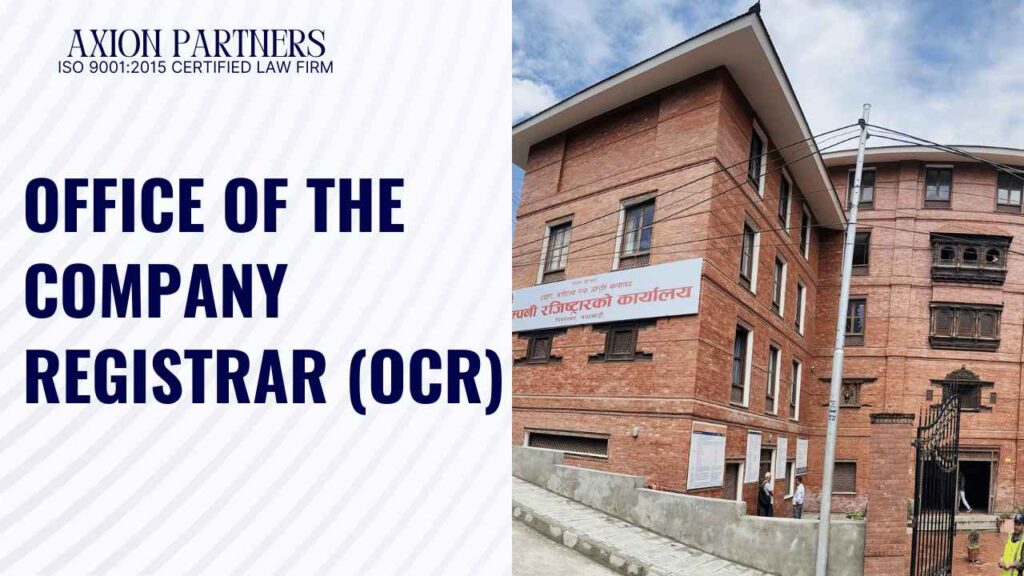
The Office of Company Registrar (OCR) serves as the primary regulatory authority for company registration and compliance in Nepal. Under the Companies Act 2063 (2006), OCR manages all corporate approvals, modifications, and regulatory oversight for businesses operating within Nepal’s jurisdiction. The Office of Company Registrar operates as the central authority for company registration and corporate regulation in Nepal. This institution plays a fundamental role in facilitating business formation, ensuring corporate compliance, and maintaining the official registry of all companies operating within the jurisdiction. Understanding the functions, procedures, and legal framework of the OCR proves essential for entrepreneurs, investors, legal practitioners, and business owners seeking to establish or maintain corporate entities in Nepal. Legal Framework and Establishment Constitutional and Statutory Basis The Office of Company Registrar functions under the authority of the Companies Act, 2063 (2006), which serves as the primary legislation governing corporate entities in Nepal. This Act consolidates previous company laws and establishes comprehensive procedures for company incorporation, operation, management, and dissolution. The OCR operates as an agency under the Ministry of Industry, Commerce and Supplies, exercising powers delegated by Parliament through statutory enactment. Primary Legislation and Amendments The Companies Act, 2063 underwent significant amendments to modernize corporate governance and simplify business registration. The legislation recognizes three main categories of companies: Private Limited Companies, Public Limited Companies, and Profit Not Distributing Companies (non-profit entities). Each category operates under specific provisions regarding capital requirements, shareholder limitations, and operational scope. Subordinate Regulations The OCR implements its mandate through various rules and directives issued under the Companies Act. These include procedural guidelines for registration, annual compliance requirements, and standards for corporate governance. Recent innovations include the Directive Relating to Special Deregistration, 2025, which streamlines closure procedures for non-operational companies. Organizational Structure and Administrative Setup Central Office Location The main Office of Company Registrar maintains its headquarters at Tripureshwor, Kathmandu. This central location processes all company registrations, modifications, and compliance filings for entities operating throughout Nepal. The office maintains specialized divisions handling different aspects of corporate administration. Digital Infrastructure The OCR has implemented the Company Administration Management Information System (CAMIS) as its primary digital platform. Effective from Shrawan 1, 2081 (July 16, 2024), CAMIS replaced previous manual systems and earlier digital platforms. This system enables end-to-end online processing of company registration, name reservation, document submission, fee payment, and certificate issuance. Functional Divisions Registration Division This division processes new company registrations, name reservations, and post-incorporation modifications. Officers examine submitted documents for compliance with legal requirements and issue certificates of incorporation upon satisfactory review. Compliance Monitoring Division This unit tracks corporate compliance with annual filing requirements. It monitors submission of audited financial statements, annual returns, and other statutory documents. Non-compliant companies face penalties and potential deregistration proceedings. Foreign Company Division This specialized section handles registration of branch offices, liaison offices, and subsidiaries of foreign companies. It coordinates with the Department of Industry and other agencies for investment approval and compliance monitoring. Legal and Enforcement Division This division handles legal interpretations, dispute resolution, and enforcement actions. It processes applications for company liquidation, deregistration, and investigates violations of company law. Core Functions and Regulatory Responsibilities Company Registration and Incorporation The OCR serves as the sole authority for incorporating companies in Nepal. The registration process involves several sequential steps that applicants must complete to obtain legal recognition for their business entities. Name Reservation Process Applicants must first reserve a unique company name through the CAMIS portal. The system requires submission of proposed names in both English and Nepali languages. The OCR examines name applications for similarity with existing registered companies and compliance with naming conventions. Approved names remain reserved for 90 days, within which applicants must complete the registration process. Document Preparation and Submission Successful registration requires preparation of fundamental constitutional documents: Memorandum of Association (MOA): This document defines the company’s objectives, authorized capital, registered office address, and liability structure. The MOA binds the company to its stated purposes and limits activities to authorized scope. Articles of Association (AOA): This document establishes internal governance rules including director appointment procedures, meeting protocols, voting rights, and share transfer restrictions. Companies may adopt standard AOA formats or customize provisions within legal limits. Capital Structure and Shareholding The Companies Act specifies minimum capital requirements based on company type. Private limited companies require minimum authorized capital of NPR 100,000 for practical operations, though the Act does not prescribe absolute minimums. Public companies must maintain substantially higher capital thresholds. The OCR verifies capital structure declarations and monitors paid-up capital compliance. Corporate Compliance Monitoring Registered companies must maintain ongoing compliance with statutory requirements administered by the OCR. Annual Return Filing Companies must file annual returns within three months of their annual general meeting. These returns disclose current shareholder information, director details, registered office address, and significant operational changes. The CAMIS system enables online submission of annual compliance documents. Financial Statement Submission The OCR mandates submission of audited financial statements prepared in accordance with Nepal Financial Reporting Standards. Statutory audits must be conducted by licensed auditors registered with the Institute of Chartered Accountants of Nepal. Companies must file audit reports within prescribed deadlines to maintain good standing. Three-Month Initial Compliance Newly registered companies must complete post-registration compliance within three months of incorporation. This includes convening the first board meeting, appointing directors, establishing statutory registers, and filing initial compliance reports. Failure to complete these requirements attracts penalties and regulatory scrutiny. Company Modification and Restructuring Services Alteration of Company Details The OCR processes applications for various corporate modifications: Name Changes Companies may change their registered names through special resolutions and OCR approval. The process requires name availability verification, shareholder approval, and amendment of constitutional documents. Objective Modifications Companies seeking to alter their stated objectives must obtain OCR approval. Applications require justification for the change, shareholder resolutions, and amended MOA provisions. The OCR examines objective changes for compliance with national interest and regulatory requirements. Capital Structure Changes Increases or decreases in authorized capital require formal OCR registration. Companies must file special resolutions, amended MOA documents, and pay prescribed
NRN Citizenship Process in Nepal
Introduction to Non-Resident Nepali Citizenship Rights Non-Resident Nepali (NRN) citizenship is a unique status granted to individuals of Nepali origin who have acquired foreign citizenship. The concept was introduced through the Non-Resident Nepali Act, 2064 (2008) to maintain ties with the Nepali diaspora and encourage their involvement in Nepal’s development. This citizenship category offers various rights and privileges while acknowledging the dual identity of Nepalis living abroad. NRN citizenship allows individuals to maintain a connection with their homeland while residing in foreign countries. It provides a legal framework for NRNs to participate in Nepal’s economic, social, and cultural spheres. The Nepal government recognizes the potential contributions of NRNs and has established this citizenship category to facilitate their engagement in national development initiatives. Key benefits of NRN citizenship include the right to own property, invest in businesses, and participate in certain economic activities in Nepal. However, it’s important to note that NRN citizenship does not grant full political rights, such as voting or holding public office, which are reserved for regular Nepali citizens. Legal Requirements for NRN Citizenship Application To apply for NRN citizenship, applicants must meet specific legal requirements as outlined in the Non-Resident Nepali Act and its subsequent regulations. These requirements ensure that only eligible individuals can obtain this special citizenship status. The key legal prerequisites include: Meeting these legal requirements is crucial for a successful NRN citizenship application. Applicants should carefully review and fulfill each criterion before initiating the application process. Documentation Process for NRN Citizenship Registration The documentation process for NRN citizenship registration requires thorough preparation and attention to detail. Applicants must gather and submit various documents to support their eligibility and identity. The following steps outline the documentation process: Ensuring all required documents are properly prepared and authenticated is crucial for a smooth registration process. Applicants should consult the official guidelines provided by the Department of Immigration for the most up-to-date document requirements. Verification Procedures for NRN Citizenship Applications The verification process for NRN citizenship applications is rigorous to maintain the integrity of the system and prevent fraudulent claims. The Nepali authorities conduct thorough checks to validate the information provided by applicants. The verification procedures typically include: These verification procedures help maintain the credibility of the NRN citizenship program and ensure that only eligible individuals receive this status. Applicants should be prepared for potential delays during this thorough verification process. Government Fees Structure for NRN Citizenship Obtaining NRN citizenship involves various government fees at different stages of the application process. The fee structure is subject to change, and applicants should verify the current rates with the Department of Immigration or relevant Nepali diplomatic missions. The general fee categories include: Applicants should be prepared to pay these fees in the specified currency and through authorized payment channels. It’s advisable to keep receipts of all payments for future reference and potential reimbursement in case of application rejection. Time Duration Guidelines for NRN Citizenship Process The time required to complete the NRN citizenship process can vary depending on various factors, including the completeness of the application, verification procedures, and workload of the processing authorities. While exact timelines may fluctuate, applicants can generally expect the following duration guidelines: The entire process typically takes between 3 to 6 months from the date of application submission. However, complex cases or incomplete applications may result in longer processing times. Applicants are advised to submit their applications well in advance of any planned activities in Nepal that require NRN citizenship status. Eligibility Criteria Assessment for NRN Citizenship Assessing eligibility for NRN citizenship is a crucial step before initiating the application process. The eligibility criteria are designed to ensure that only individuals with genuine Nepali heritage and foreign citizenship qualify for this status. Key eligibility factors include: Applicants should carefully evaluate their eligibility against these criteria before proceeding with the application. Meeting all eligibility requirements is essential for a successful NRN citizenship application. Application Submission Process for NRN Citizenship The application submission process for NRN citizenship involves several steps to ensure accurate and complete documentation. Applicants should follow these guidelines: Proper submission of the application is crucial for timely processing. Incomplete or inaccurate applications may result in delays or rejection. Applicants should retain copies of all submitted documents and proof of application submission for their records. Background Verification Requirements for NRN Citizenship Background verification is an integral part of the NRN citizenship application process. This step ensures that applicants meet the moral and legal standards required for this status. The background verification process typically includes: Applicants should be prepared to provide additional information or documentation if requested during the background verification process. Transparency and cooperation during this stage can facilitate a smoother application process. Rights and Privileges of NRN Citizenship Holders NRN citizenship holders enjoy various rights and privileges in Nepal, although these differ from those of regular Nepali citizens. Understanding these rights is essential for NRN citizens to fully utilize their status. Key rights and privileges include: However, it’s important to note that NRN citizens do not have political rights such as voting or holding public office. They are also subject to specific regulations regarding property ownership and business investments. Read More Renewal Procedures for NRN Citizenship Cards NRN citizenship cards have a validity period and require periodic renewal to maintain their active status. The renewal process ensures that the information on the card remains current and that the holder continues to meet the eligibility criteria. The renewal procedures typically involve: NRN citizens should initiate the renewal process well in advance of their card’s expiration date to avoid any lapse in their status. Failure to renew the card in time may result in the need to reapply for NRN citizenship from scratch. Legal Restrictions for NRN Citizenship Holders While NRN citizenship offers numerous benefits, it also comes with certain legal restrictions that holders must be aware of and comply with. These restrictions are in place to balance the rights of NRN citizens with the interests of resident Nepali citizens. Key legal restrictions include:
Non-Profit Auditing in Nepal

Introduction to Non-Profit Organization Auditing Requirements Non-profit organizations (NPOs) in Nepal play a crucial role in social development and community welfare. To ensure transparency and accountability, these organizations are subject to rigorous auditing requirements. The auditing process for NPOs in Nepal is governed by specific legal frameworks and regulatory standards. NPO auditing is essential for maintaining financial integrity, ensuring compliance with legal requirements, and building trust among stakeholders. This comprehensive guide will explore the various aspects of non-profit auditing in Nepal, including legal frameworks, documentation requirements, processes, costs, and regulatory standards. Legal Framework Governing Non-Profit Organization Auditing The legal framework for NPO auditing in Nepal is primarily based on the following laws and regulations: These laws collectively establish the requirements for NPO registration, financial reporting, and auditing. The Social Welfare Act and Association Registration Act specifically govern the operation and auditing of NPOs, while the Company Act applies to NPOs registered as companies limited by guarantee. The Income Tax Act outlines the tax obligations and exemptions for NPOs, which are crucial considerations during the audit process. The Audit Act provides the general framework for auditing practices in Nepal, including those applicable to NPOs. Essential Documentation Required for NPO Audit Process To facilitate a smooth and comprehensive audit process, NPOs must maintain and provide the following essential documentation: Maintaining these documents in an organized manner is crucial for an efficient audit process and ensures compliance with legal requirements. Step-by-Step Process of Non-Profit Organization Auditing The NPO auditing process in Nepal typically follows these steps: Cost Structure for Non-Profit Organization Audit The cost of NPO auditing in Nepal varies depending on factors such as the organization’s size, complexity of operations, and scope of the audit. Generally, audit fees are structured as follows: NPOs should budget for audit costs as part of their annual financial planning. The Nepal Institute of Chartered Accountants (NICA) provides guidelines on audit fee structures, which auditors typically follow. READ MORE: NGO Registration Process in Nepal Time Requirements for Complete Non-Profit Organization Audit The duration of an NPO audit in Nepal depends on various factors, including: On average, a complete NPO audit may take anywhere from 2 to 6 weeks. However, larger organizations or those with complex operations may require more time. It’s crucial for NPOs to plan their audit timeline in accordance with regulatory deadlines and reporting requirements. Regulatory Standards for Non-Profit Organization Auditing NPO audits in Nepal must adhere to the following regulatory standards: These standards ensure that audits are conducted with consistency, objectivity, and professional competence. Auditors must comply with these standards to maintain the quality and credibility of their work. Key Authorities Overseeing Non-Profit Organization Audits Several authorities play crucial roles in overseeing NPO audits in Nepal: These authorities may review audit reports, conduct inspections, or require additional information to ensure compliance with relevant laws and regulations. Comprehensive Checklist for Non-Profit Organization Auditing To ensure a thorough audit process, NPOs and auditors should consider the following checklist: This checklist helps ensure that all critical aspects of the NPO’s operations and finances are thoroughly examined during the audit process. Benefits of Professional Non-Profit Organization Auditing Professional auditing offers numerous benefits to NPOs in Nepal: These benefits contribute to the overall sustainability and effectiveness of NPOs in achieving their mission and objectives. Post Audit Compliance for Non-Profit Organizations After the audit is completed, NPOs must take several steps to ensure compliance: Timely compliance with these post-audit requirements is crucial to maintain good standing with regulatory authorities and stakeholders. Common Challenges in Non-Profit Organization Auditing NPOs in Nepal often face several challenges during the audit process: Addressing these challenges requires ongoing effort in capacity building, improved financial management practices, and collaboration with professional auditors. Read More Professional Services Required for NPO Audit Process To ensure a comprehensive and compliant audit, NPOs may require the following professional services: Engaging these professionals can significantly enhance the quality and effectiveness of the audit process. Reporting Requirements for Non-Profit Organization Audits NPO audit reports in Nepal must include: These reports must be prepared in accordance with NFRS and NSA, ensuring consistency and comparability across different organizations. Important Guidelines for Non-Profit Organization Auditing When conducting NPO audits in Nepal, it’s essential to follow these guidelines: Following these guidelines ensures a high-quality audit that adds value to the NPO and its stakeholders. FAQs: 1. How often must NPOs conduct audits? NPOs in Nepal are generally required to conduct annual audits. However, the specific frequency may depend on the organization’s registration type and governing laws. 2. Who can audit an NPO in Nepal? Only chartered accountants registered with the Nepal Institute of Chartered Accountants (NICA) are authorized to conduct statutory audits of NPOs in Nepal. 3. What documents are required for auditing? Essential documents include financial statements, bank statements, receipts and vouchers, fixed asset registers, donor agreements, board meeting minutes, and organizational bylaws. 4. How much does NPO auditing cost? Audit costs vary based on the organization’s size and complexity. Fees typically include a basic audit fee, additional charges for complex transactions, and out-of-pocket expenses. 5. What happens if audit requirements aren’t met? Failure to meet audit requirements can result in penalties, loss of tax-exempt status, suspension of registration, or legal action by regulatory authorities. 6. Are international auditing standards applicable? While Nepal has its own auditing standards (NSA), these are largely based on International Standards on Auditing (ISA) and are generally consistent with international practices. 7. Can internal auditors conduct statutory audits? No, statutory audits must be conducted by independent external auditors. Internal auditors can support the process but cannot replace the statutory audit requirement.
NGO Registration Process in Nepal
Understanding the NGO registration process in Nepal is essential for establishing a legally compliant non-governmental organization. This guide covers legal requirements, registration steps, required documents, costs, timelines, and post-registration obligations under Nepali law for social welfare organization updated for 2026 A.D. The NGO registration process in Nepal takes between two to four weeks. Proper registration is mandatory for any organization seeking to operate as an NGO in Nepal. Steps for NGO Registration in Nepal What is Non-Profit Registration? Non-Profit Registration refers to the legal process of establishing a non-governmental organization under the Association Registration Act, 2034 (1977). An NGO is a voluntary, non-profit organization formed by individuals to carry out social welfare activities, community development, humanitarian work, or other public benefit purposes. The NGO registration process in Nepal involves multiple government authorities including the District Administration Office, Local Ward Office, Inland Revenue Office, and Social Welfare Council. Registered NGO’s open bank accounts, receive funding, enter into contracts, and conduct activities lawfully throughout Nepal. Where to Register an NGO in Nepal? The primary authority for NGO registration in Nepal is the District Administration Office (DAO) located in each district headquarters. The DAO operates under the Ministry of Home Affairs and is responsible for granting initial consent and final registration approval to NGOs. Organizations must approach the DAO in the district where their head office will be located. After obtaining registration from the DAO, organizations must register with the Inland Revenue Office (IRO) for tax purposes and obtain a Permanent Account Number (PAN). NGOs must register with the Local Ward Office. For organizations seeking to receive foreign funding or work on development projects, affiliation with the Social Welfare Council (SWC) is mandatory. The official website of the Social Welfare Council is https://www.swc.org.np. What is the Process of Opening NGO in Nepal? Step 1: Obtaining Consent from District Administration Office The first step in the NGO registration process in Nepal involves submitting an application to the District Administration Office for name approval and initial consent. The application must include proposed organization name, objectives, founding members’ details, and draft constitution. This process typically takes two working days and requires payment of application fees starting from NPR 2,000 depending on the district. Step 2: Getting Recommendation Letter from Local Ward Office After receiving initial consent from the DAO, the organization must obtain a recommendation letter from the Local Ward Office where the NGO’s office will be located. The ward office verifies the physical address, and reviews the organization’s proposed activities. This process usually takes one working day and may involve a site visit by ward officials. Step 3: Getting Police Clearance Certificate of All Members All founding members of the NGO must obtain Police Clearance Certificates from the District Police Office. Each member must submit an application with citizenship copies and photographs to the police office through the Online Portal: https://opcr.nepalpolice.gov.np/#/login. The police verification process takes one to two working days. Step 4: Obtaining Approval from District Administration Office With the ward recommendation letter and police clearance certificates, the organization submits a complete registration application to the DAO. The application includes the constitution, minutes of the founding meeting, membership list, office address proof, and all supporting documents. Upon satisfaction, the DAO issues the official registration certificate within three working days, legally establishing the NGO. Step 5: Registration at Inland Revenue Office and Local Ward Office After DAO registration, the NGO must register with the Inland Revenue Office to obtain a Permanent Account Number for tax purposes. PAN registration is free and enables the organization to conduct financial transactions, open bank accounts, and claim tax exemptions. Simultaneously, the organization must complete registration with the Local Ward Office by paying annual taxes starting from NPR 10,000 depending on the municipality. Step 6: Receiving Affiliation from Social Welfare Council The final step for NGOs planning to receive foreign funding or implement development projects is obtaining affiliation from the Social Welfare Council. Organizations must submit their DAO registration certificate, constitution, audit reports, and project proposals to the SWC. The affiliation fee is NPR 3,500 as per the Organization Affiliation Directive, 2071. This process takes five to fifteen working days or up to three months. What Documents Are Required for NGO Registration in Nepal? The NGO registration process in Nepal requires the following documents to be prepared and submitted: What Are the Requirements for NGO Registration? The Major Requirements for Registration are minimum of 7 Founding Members with 33% Females. Members must be above the age of 18 years with 1 President, 1 Vice-President, 1 Secretary and 1 Treasurer. Requirement Category Specific Requirement Minimum Members 7 founding members Gender Composition Minimum 33% female members Executive Positions President, Vice President, Secretary, Treasurer Additional Members Minimum 3 other executive members Criminal Background No members with criminal records Age Requirement Members must be 18 years or above Citizenship All members must be Nepali citizens Residency No specific residency requirement Professional Background No restrictions on profession How Long Does the NGO Registration Process Take? The complete NGO registration process in Nepal typically takes between two to four weeks. Registration Stage Time Required Authority DAO Initial Consent 2 working days District Administration Office (DAO) Ward Recommendation 1 working day Local Ward Office Police Clearance 1–2 working days District Police Office DAO Final Registration 3 working days District Administration Office (DAO) IRO PAN Registration 1 working day Inland Revenue Office (IRO) Ward Office Registration 1 working day Local Ward Office SWC Affiliation 5–15 working days Social Welfare Council (SWC) Total Duration 14–25 working days Multiple Authorities What Are the Costs Involved in NGO Registration? The NGO registration process in Nepal involves several fees payable to different government authorities. The total cost varies depending on the district and municipality classification. Government Fee Amount (NPR) Payable To DAO Application Fee 2,000 – 5,000 District Administration Office Local Ward Registration 10,000 – 25,000 Local Ward Office PAN Registration Free Inland Revenue Office SWC Affiliation Fee 3,500 Social Welfare Council What Are the Post-Registration Requirements for NGOs in Nepal?