Table of Contents
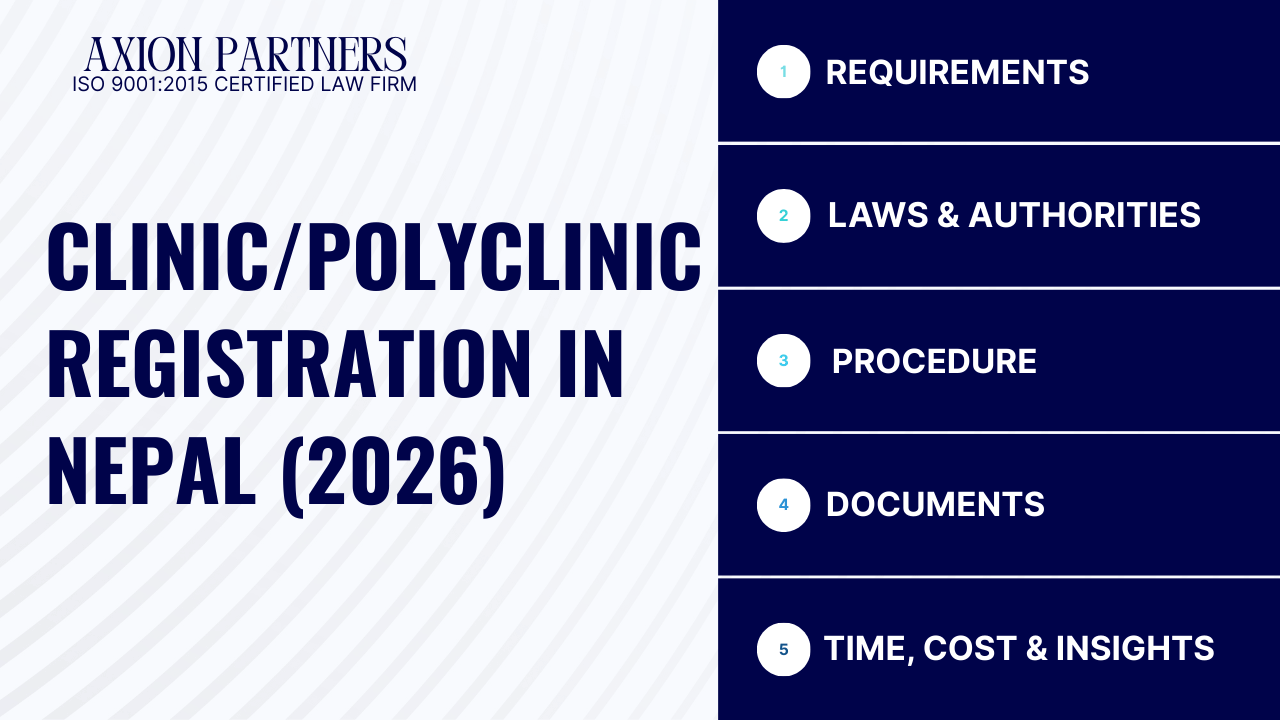
- 1 Step-By-Step Process for Clinic Registration
- 2 What Is Clinic/Polyclinic Registration in Nepal?
- 3 Where To Register a Clinic or Polyclinic?
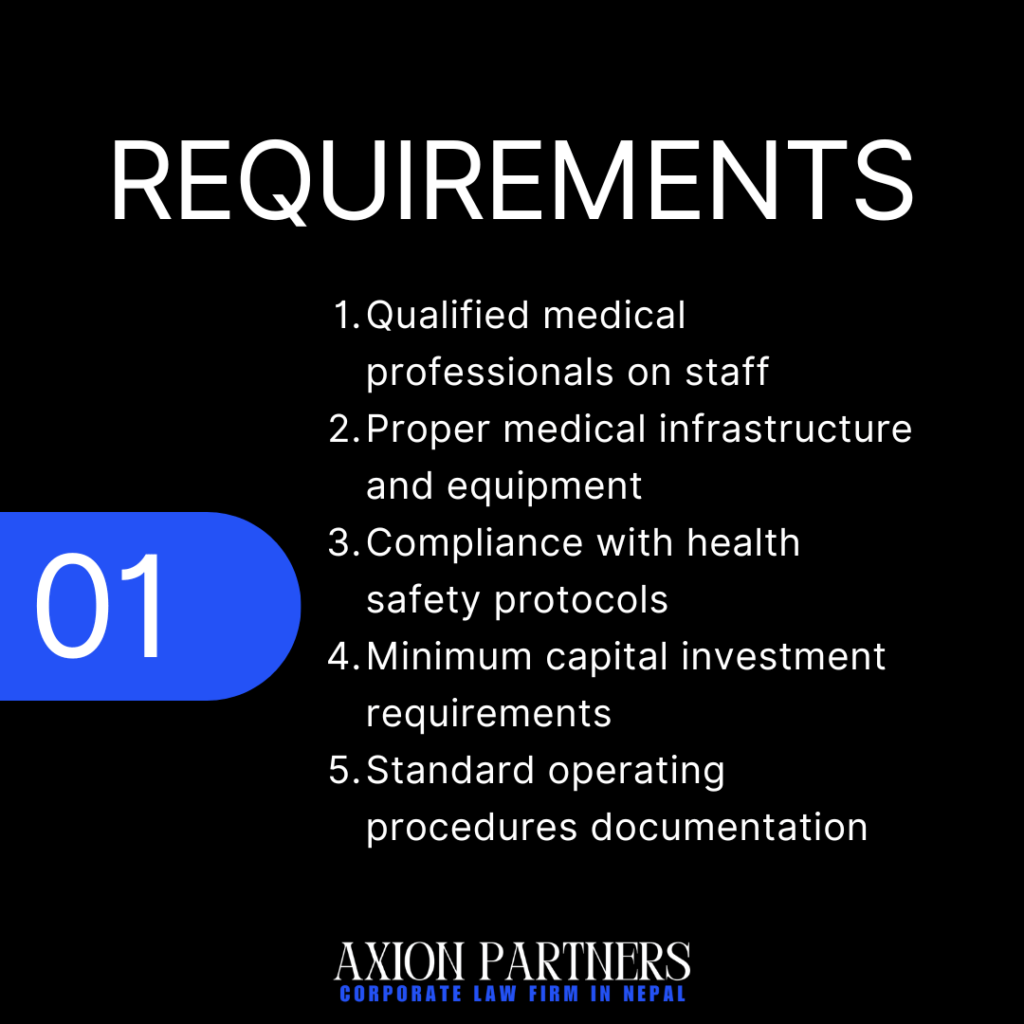
- 4 What Are the Requirements for Clinic Registration?
- 5 How To Register a Clinic or Polyclinic in Nepal?
- 5.1 Step 1: Register Company at Office of Company Registrar
- 5.2 Step 2: Complete Tax and Ward Office Registration
- 5.3 Step 3: Apply for Letter of Intent
- 5.4 Step 4: Receive Letter of Intent Approval
- 5.5 Step 5: Develop Infrastructure and Prepare Documentation
- 5.6 Step 6: Pass Inspection and Obtain License
- 6 What Documents Are Required for Clinic Registration?
- 7 Clinic Registration Service Categories and Fees
- 8 How Long Does the Registration Process Take?
- 9 What Are the Costs for Clinic Registration?
- 10 What Are the Renewal Process of Clinics in Nepal
- 11 What Laws Govern Clinic Registration in Nepal?
- 12 What Types of Health Facilities Can Register?
- 13 What Benefits Does Registration Provide?
- 14 Frequently Asked Questions
- 14.1 How to register clinic in Nepal?
- 14.2 What is polyclinic meaning in Nepali?
- 14.3 What documents required for clinic registration?
- 14.4 What is clinic registration requirements timeline?
- 14.5 How much does polyclinic registration cost?
- 14.6 Where to apply for clinic license?
- 14.7 What is difference between clinic and polyclinic?
- 14.8 Can I do online clinic registration?
- 14.9 What are polyclinic requirements for staff?
- 14.10 How long is clinic license valid?
This comprehensive guide outlines the essential steps, documentation, and compliance measures required for successfully registering a clinic in Nepal.
Clinic and polyclinic registration in Nepal requires approval from local municipalities for health institutions under 15 beds. The process involves company registration, tax registration, letter of intent application, infrastructure inspection, and final licensing with specific documentation requirements.
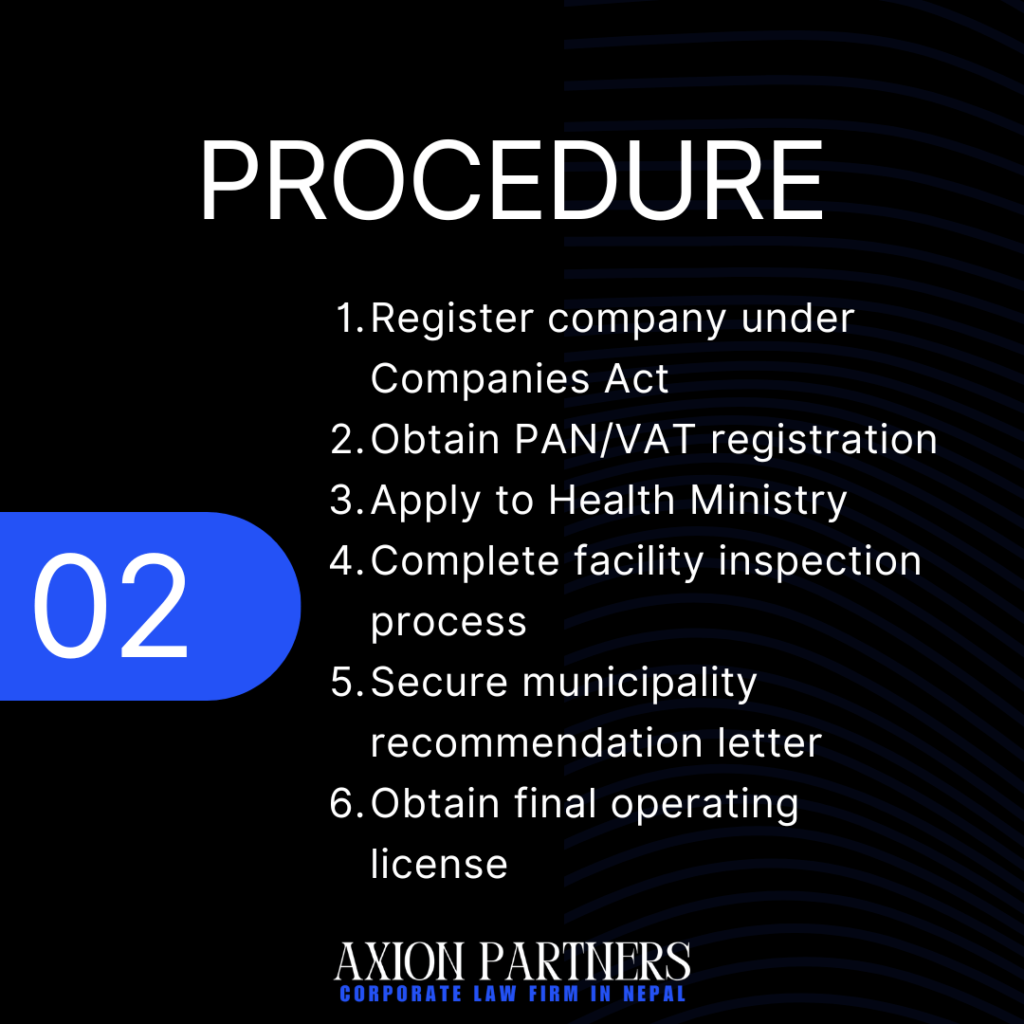
Step-By-Step Process for Clinic Registration
Step 1: Register company at Office of Company Registrar
Step 2: Complete tax office and ward office registration
Step 3: Apply for Letter of Intent at local municipality
Step 4: Develop infrastructure as per approved plan
Step 5: Request inspection from local executive committee
Step 6: Obtain final license after successful inspection
What Is Clinic/Polyclinic Registration in Nepal?
Clinic and polyclinic registration in Nepal is a legal process for establishing private health institutions. The registration allows medical facilities with fewer than 15 beds to operate legally. Local municipalities and rural municipalities provide approval for these healthcare establishments.
The polyclinic registration process in Nepal ensures quality healthcare delivery. Health clinics and diagnostic centers must meet specific standards. The government regulates these facilities to protect public health and safety.
Private clinic registration involves multiple government agencies. The Office of Company Registrar handles business entity formation. Tax offices manage fiscal compliance requirements. Local municipalities oversee healthcare facility licensing and operational standards.
The clinic registration process in nepal follows a structured approach. Applicants must demonstrate financial capability and technical expertise. Infrastructure requirements include proper medical equipment and qualified staff. The system ensures only competent providers deliver healthcare services.
Where To Register a Clinic or Polyclinic?
Registration occurs at the local municipality or rural municipality office. These local government bodies have authority over health institutions. The jurisdiction depends on the clinic’s physical location within Nepal.
The Office of Company Registrar at https://ocr.gov.np handles initial business registration. This step establishes the legal entity for the healthcare facility. Company registration must occur before applying for healthcare licenses.
Tax registration happens at the Inland Revenue Department office. Visit https://ird.gov.np for tax-related procedures and requirements. Ward offices also require separate registration for local administrative purposes.
The local municipality office processes the Letter of Intent application. This office conducts infrastructure inspections before final licensing. All polyclinic registration requirements must be fulfilled at this level.
What Are the Requirements for Clinic Registration?
Basic health services in Nepal require specific qualifications and infrastructure. The facility must have qualified medical professionals with valid council registration. Equipment must meet minimum standards for the services offered.
Land ownership or lease documents prove legal right to premises. The location must comply with zoning regulations for healthcare facilities. Building plans must show adequate space for patient care and safety.
Financial capacity demonstration includes business plans and feasibility studies. The applicant must show ability to sustain operations. Population coverage analysis proves community need for the facility.
Environmental compliance requires IEE or Environment Management Plan submission. This document assesses potential environmental impacts. Safety protocols must address waste management and infection control.
Qualified staff with proper credentials must be available. Medical in-charge must hold valid Nepal Medical Council registration. Technical staff need appropriate qualifications for their roles.
How To Register a Clinic or Polyclinic in Nepal?
Step 1: Register Company at Office of Company Registrar
Step 2: Complete Tax and Ward Office Registration
Step 3: Apply for Letter of Intent at Local Municipality
Step 4: Receive Letter of Intent Approval
Step 5: Develop Infrastructure and Prepare Documents
Step 6: Inspection and License for Operating Clinic/Polyclinic
Step 1: Register Company at Office of Company Registrar
Complete company registration at OCR before starting healthcare licensing. Submit required documents including memorandum and articles of association. Pay applicable registration fees and obtain company registration certificate. This establishes legal business entity for clinic operations.
Step 2: Complete Tax and Ward Office Registration
Register at Inland Revenue Department for PAN and VAT numbers. Visit local ward office for municipal registration and documentation. Obtain tax clearance certificates and ward registration confirmation. These registrations enable legal business operations and tax compliance.
Step 3: Apply for Letter of Intent
Submit application to local municipality with comprehensive business plan. Include land ownership documents and feasibility study reports. Provide IEE or Environment Management Plan as required. Explain population coverage and community benefits of proposed facility.
Step 4: Receive Letter of Intent Approval
Local municipality reviews application and supporting documents thoroughly. Committee evaluates community need and applicant qualifications carefully. Upon approval, municipality issues Letter of Intent for infrastructure development. This authorization allows construction and equipment procurement to begin.
Step 5: Develop Infrastructure and Prepare Documentation
Construct building according to approved architectural plans and specifications. Install required medical equipment and safety systems properly. Prepare Standard Operating Manual and Patient Charter documents. Ensure all facilities meet healthcare standards before inspection.
Step 6: Pass Inspection and Obtain License
Request inspection from local executive committee after completion. Inspection team verifies infrastructure, equipment, and documentation compliance. Address any deficiencies identified during inspection process promptly. Receive final clinic license after successful inspection approval.
What Documents Are Required for Clinic Registration?
The Complete Set of Required Documents for Registering Clinic/Polyclinic/Diagnostic Center in Nepal are as follows:
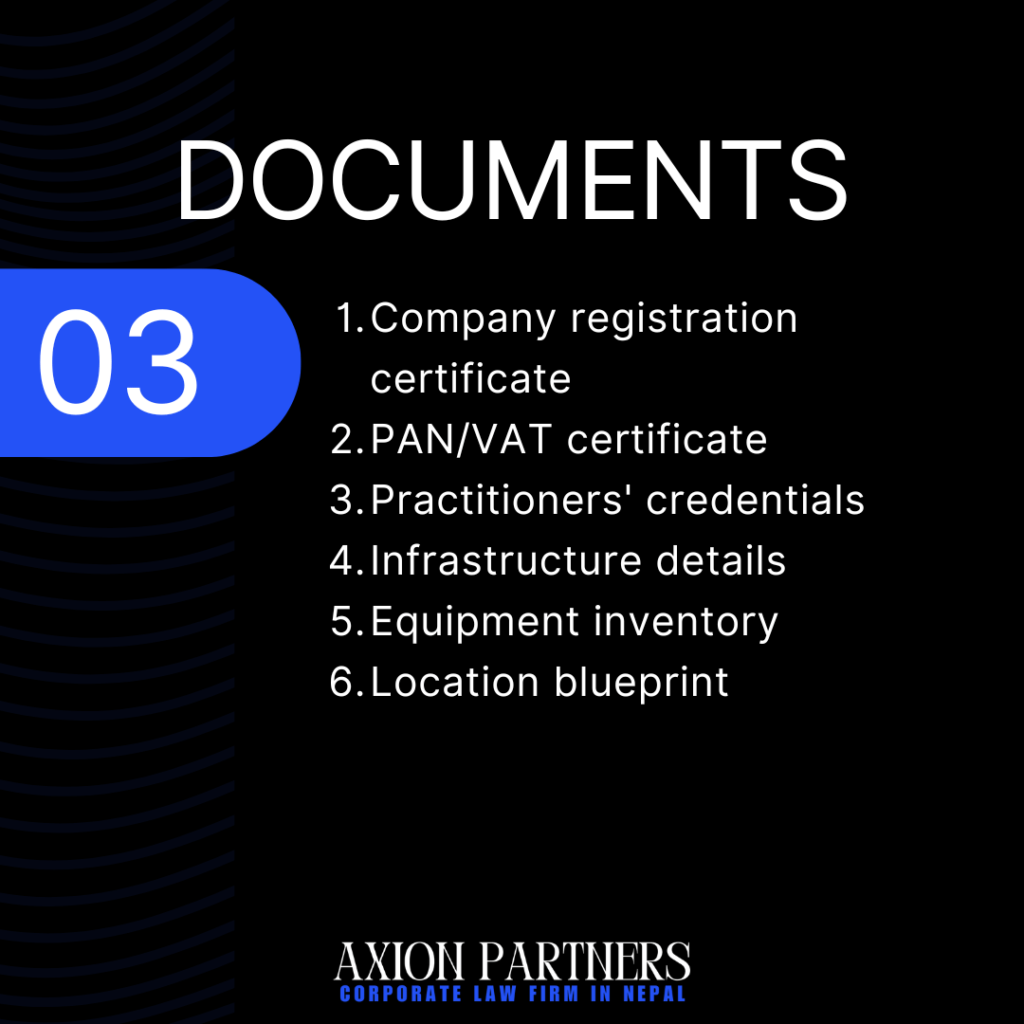
- Company registration certificate from Office of Company Registrar
- Tax registration documents including PAN and VAT certificates
- Ward office registration confirmation letter
- Land ownership documents or valid lease agreement
- Building design and layout plans with measurements
- Business plan with financial projections and analysis
- Feasibility study report showing community need
- IEE or Environment Management Plan approval
- Population coverage analysis and demographic data
- Medical in-charge qualification certificates and council registration
- Staff qualification documents and registration certificates
- Equipment purchase invoices and specifications
- Standard Operating Manual for all procedures
- Patient Charter document clearly displayed
- Safety and infection control protocols
- Waste management plan and procedures
- Equipment maintenance schedule and records
- Declaration of information correctness signed by applicant
Clinic Registration Service Categories and Fees
The following table shows different service categories and their registration requirements. Each category has specific equipment and staffing needs. Fees vary based on services provided by the facility.
| Service Category | Registration Fee | Renewal Fee | Key Requirements |
|---|---|---|---|
| General Clinic | NPR 10,000 per service | NPR 2,000 per service | Basic examination equipment, qualified doctor |
| Polyclinic | NPR 10,000 per service | NPR 2,000 per service | Multiple specialties, specialist doctors |
| Diagnostic Center | NPR 10,000 per service | NPR 2,000 per service | Laboratory or radiology equipment |
| Radiology Services | NPR 10,000 per service | NPR 2,000 per service | X-ray or imaging machines, radiation safety |
| Laboratory Services | NPR 10,000 per service | NPR 2,000 per service | Lab equipment, qualified technicians |
| Specialized Clinic | NPR 10,000 per service | NPR 2,000 per service | Specialty equipment, specialist certification |
How Long Does the Registration Process Take?
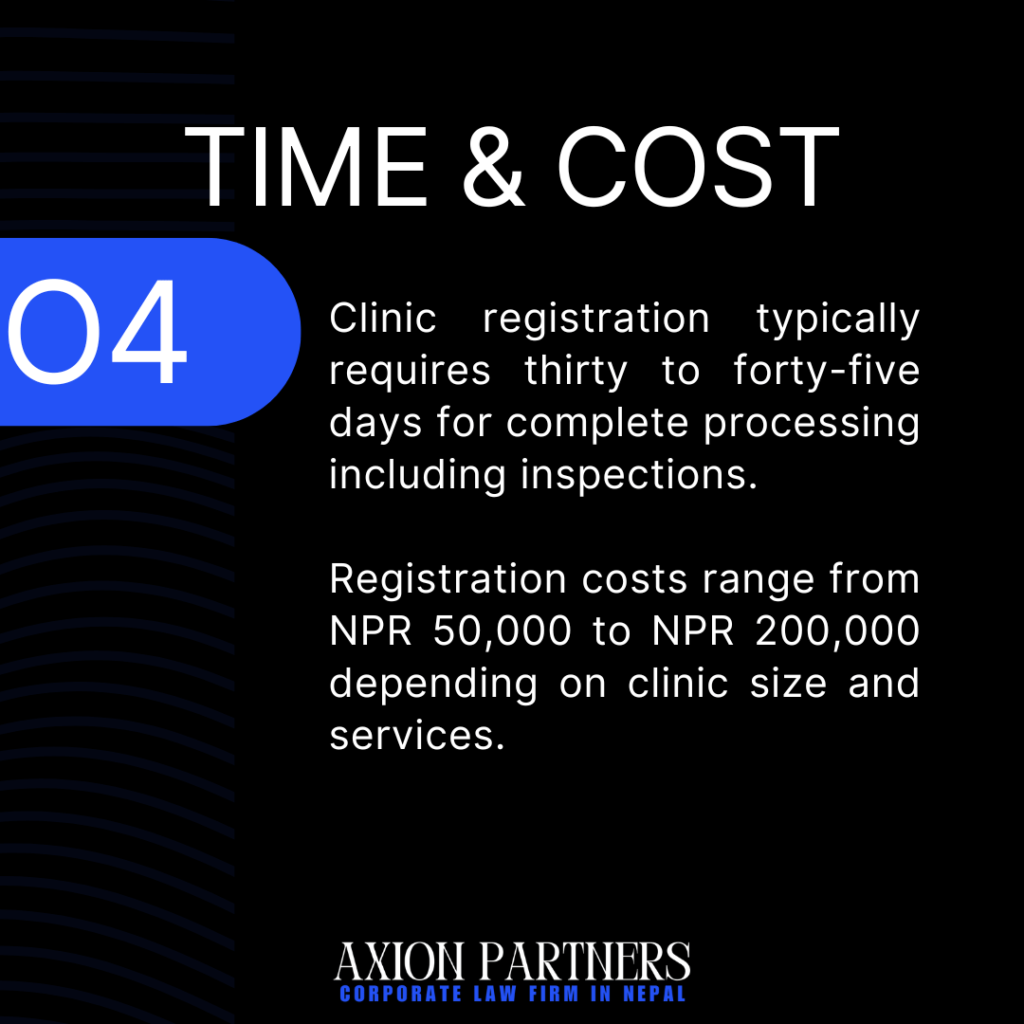
The clinic registration process in Nepal typically requires One to Two months for completion.
- Company registration at OCR takes 2-3 Working Days
- Tax registration requires 1 working day processing
- Letter of Intent application review takes 30 to 60 days
- Infrastructure development time takes 3 Months.
- Inspection scheduling depends on committee availability within 15 to 30 days
- License issuance occurs within 7 to 15 days after inspection approval
Note: Total Process for Registration is completed within 30-45 Working Days
What Are the Costs for Clinic Registration?
Registration costs vary based on services offered and facility size. Government fees are standardized but additional expenses vary significantly.
| Cost Category | Amount | Payment Stage |
|---|---|---|
| Company Registration Fee | Starts from NPR 9,500 for NPR 25,00,000/- Capital | At OCR registration |
| Tax Registration | No fee | At IRD office |
| Letter of Intent Application | No Fee | At municipality |
| Clinic Registration Fee | NPR 10,000 per service | Before license issuance |
| Diagnostic Center Registration | NPR 10,000 per service | Before license issuance |
| Infrastructure Development | Depends | During construction |
| Equipment Purchase | Depends | Before inspection |
What Are the Renewal Process of Clinics in Nepal
Clinic licenses require periodic renewal to maintain legal operation status. Renewal ensures continued compliance with healthcare standards and regulations. The process is simpler than initial registration but requires documentation.
- Step 1: Submit renewal application before license expiration date
- Step 2: Pay renewal fee of NPR 2,000 per service category
- Step 3: Provide updated staff qualification, equipment records, service records, SOM’s and updated documents
- Step 4: Obtain renewed license certificate from local authority
What Laws Govern Clinic Registration in Nepal?
Multiple laws and regulations govern healthcare facility registration and operation. These legal frameworks ensure quality healthcare delivery and patient safety. Compliance with all applicable laws is mandatory for operation.
Key legal provisions for clinic registration:
- Local Government Operation Act 2074 grants municipalities healthcare licensing authority
- Nepal Medical Council Act regulates medical practitioner registration and standards
- Public Health Service Act 2075 establishes healthcare facility operational standards
- Environment Protection Act requires environmental impact assessment for facilities
- Labor Act governs employment and working conditions for staff
- Consumer Protection Act protects patient rights and service quality
- Company Act 2063 regulates business entity formation and operation
- Tax laws require proper registration and compliance with fiscal obligations
- Building codes specify construction standards for healthcare facilities
- Radiation Protection Regulations govern diagnostic imaging equipment safety
Visit https://www.lawcommission.gov.np for complete legal texts and updates.
What Types of Health Facilities Can Register?
The difference between clinic and polyclinic lies in service scope and specialties. Clinics typically offer single specialty services with limited beds. Polyclinics provide multiple specialty services with more comprehensive facilities.
| Facility Type | Bed Capacity | Services Offered | Staffing Requirements | Key Difference |
|---|---|---|---|---|
| General Clinic | 0 to 5 beds | Basic consultation, minor procedures | 1 qualified doctor minimum | Single specialty focus |
| Polyclinic | 5 to 15 beds | Multiple specialties, minor surgeries | Multiple specialist doctors | Multi-specialty services |
| Diagnostic Center | No beds | Laboratory or radiology services | Qualified technicians, pathologist | Diagnostic services only |
| Specialized Clinic | 0 to 10 beds | Single specialty advanced care | Specialist doctor with certification | Advanced single specialty |
| Day Care Center | No overnight beds | Procedures not requiring admission | Qualified medical staff | Same-day discharge only |
| Health Post | 0 to 5 beds | Primary healthcare services | Health assistant or nurse | Basic primary care |
What Benefits Does Registration Provide?
Legal registration provides numerous advantages for healthcare facility operators. Registered facilities gain credibility and legal protection for operations. Patients prefer registered facilities for quality assurance and accountability.
- Legal authorization to operate healthcare services in Nepal
- Protection from legal penalties and facility closure actions
- Enhanced credibility and trust among patients and community
- Ability to hire qualified medical professionals legally
- Eligibility for government healthcare programs and partnerships
- Access to medical equipment suppliers and pharmaceutical distributors
- Insurance coverage options for facility and malpractice protection
- Ability to issue valid medical certificates and prescriptions
- Participation in health insurance and reimbursement schemes
- Professional networking opportunities with healthcare associations
- Quality standards compliance improving patient care outcomes
- Business expansion opportunities and franchise possibilities
- Tax benefits and deductions available to registered entities
- Legal recourse in disputes with patients or suppliers
Visit https://mohp.gov.np for healthcare sector policies and guidelines.
Frequently Asked Questions
How to register clinic in Nepal?
Step 1: Register company at Office of Company Registrar first · Step 2: Complete tax and ward office registration procedures · Step 3: Apply for Letter of Intent at local municipality · Step 4: Obtain license after infrastructure inspection approval.
What is polyclinic meaning in Nepali?
Polyclinic in Nepali refers to a multi-specialty health facility offering various medical services. It provides consultation and treatment across different medical specialties under one facility with limited bed capacity.
What documents required for clinic registration?
Key Documents: Company registration and tax certificates · Company registration and tax certificates · Land ownership and building plans · Medical staff qualification and council registration · Business plan and feasibility study reports
What is clinic registration requirements timeline?
The complete registration process takes 30 to 45 Working Days typically. Company registration requires 2 weeks, Letter of Intent takes 1 to 2 months, infrastructure development needs 3 to 12 months, and final inspection takes 2 to 4 weeks.
How much does polyclinic registration cost?
Registration fee is NPR 10,000 per service category offered. Infrastructure development costs NPR 500,000 to 5,000,000 depending on size. Equipment purchase requires NPR 200,000 to 10,000,000 based on services provided.
Where to apply for clinic license?
Apply at local municipality or rural municipality office where clinic will operate. First complete company registration at https://ocr.gov.np and tax registration at https://ird.gov.np before municipal application.
What is difference between clinic and polyclinic?
Clinics offer single specialty services with fewer beds and limited scope. Polyclinics provide multiple specialty services with more beds and comprehensive healthcare facilities under one roof.
Can I do online clinic registration?
Company registration available online at OCR portal · Tax registration possible through IRD website · Municipality application requires physical submission currently · Future digital systems may enable complete online processing
What are polyclinic requirements for staff?
Medical in-charge must hold valid Nepal Medical Council registration certificate. Specialist doctors need appropriate specialty certification and council registration. Technical staff require relevant qualifications and professional registration certificates.
How long is clinic license valid?
Clinic licenses require annual renewal with local municipality. Submit renewal application before expiration date with NPR 2,000 per service fee. Maintain compliance with all standards throughout validity period.Add to Conversation